Raksha Bandhan: A Symbol of Love and Harmony | रक्षा बंधन है प्रेम और सौहार्द का प्रतीक

- आचार्य शिवमुनि

28 August 2026

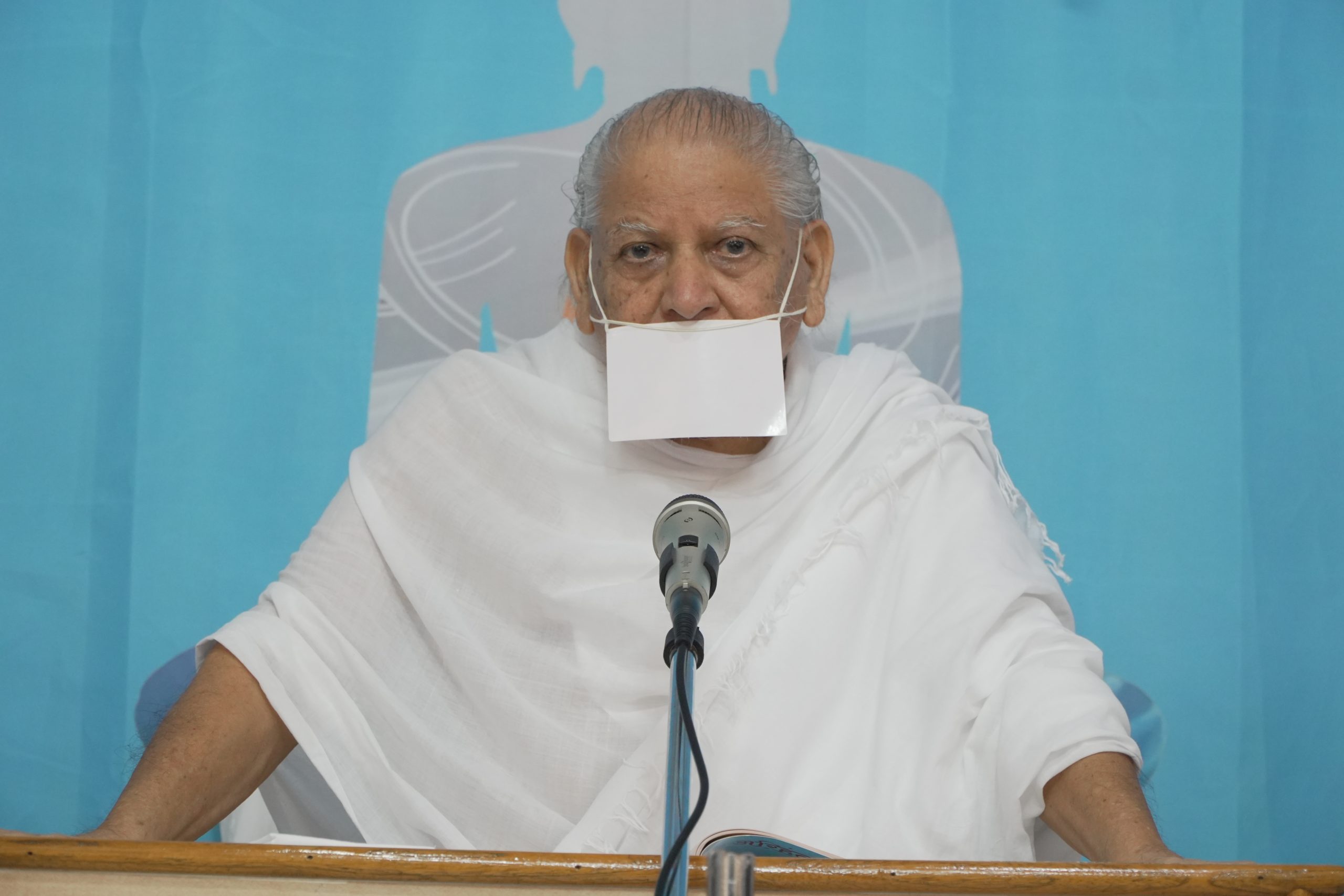
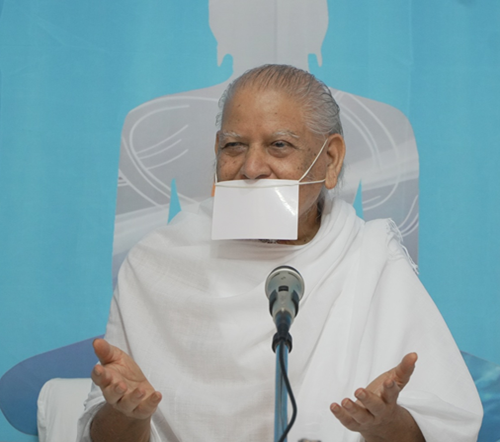
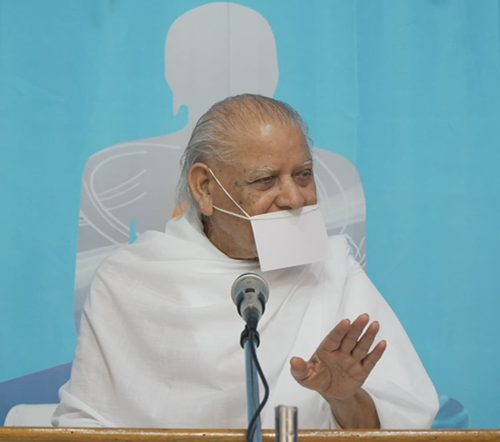
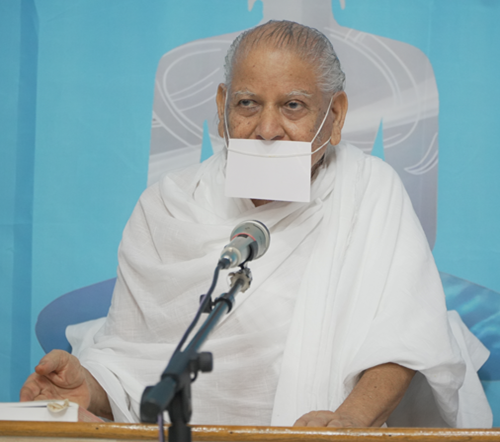
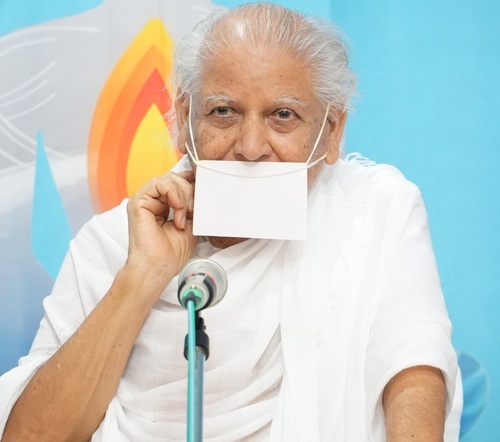
आचार्य सम्राट डॉ. श्री शिवमुनि जी म.सा. ने अपने उद्बोधन में फरमाया कि श्रावण शुक्ला पूर्णिमा का दिन भाई-बहन के पवित्र रिश्ते का त्यौहार है। इतिहास को देखें तो इस दिन बहन भाई को राखी बांधती है। आज का दिन इतना पवित्र है कि इसमें कोई जाति परम्परा आदि का भेद न रखते हुए कोई भी बहन किसी भी भाई को राखी बांधकर रक्षा का वचन ले सकती है।
आचार्य भगवन के रक्षा बंधन के इतिहास को उजागर करते हुए चित्तौड़ की रानी कर्मवती के प्रसंग में फरमाया कि कर्मवती रानी ने बहादुर शाह की सेनाओं का अपने विरुद्ध कूच करने पर जब कोई सुरक्षा नहीं मिली तो उसने मुगल बादशाह हुमायूं को मखमली डिब्बे में 21 रत्नों से जड़ी एक राखी भेजी और पीपल के पत्ते पर पत्र लिखा कि आपके पिता बाबर ने तलवार की शक्ति से मेरे पति राणा संग्राम सिंह को पराजित किया था। मैं आपको भाई मानकर राखी भेज रही हूं आप मेरी रक्षा करना। हूमायुं धार्मिक व्यक्ति था। उसने राखी को स्वीकार किया व कर्मवती को अपनी बहन मान लिया। उसने कहा कि बहन-भाई का संबंध इस्लाम परंपरा में भी पवित्र माना जाता है। मैं कर्मवती की सुरक्षा की कामना करता हूं। कर्मवती इस उत्तर को पाकर बहुत प्रसन्न हुई।
उन्होंने पण्डित मदन मोहन मालवीय के प्रसंग में फरमाया कि पण्डित मदन मोहन मालवीय ने रक्षा बंधन के दिन काशी नरेश के दरबार में राखी बांधने जाते हैं। काशी नरेश उन्हें देखकर खुश हो जाते हैं और वे सोने के सिंहासन से उठकर पंडित मदन मोहन मालवीय से राखी बंधवाते हैं। काशी नरेश ने पण्डित के पैर छूकर दक्षिणा मांगने को कहा तो पण्डित मालवीय ने कहा, मुझे गंगा किनारे विश्वविद्यालय के लिए जमीन चाहिए। काशी नरेश ने पण्डित मदन मोहन मालवीय को 15 गांवों के बराबर जगह दे दी। आज भी वहां सबसे बड़ा विश्वविद्यालय बना हुआ है।
आचार्य भगवन ने डाकू सुल्ताना के प्रसंग में फरमाया डाकू सुल्ताना डाका डालने के लिए निकला और एक गांव में पहुंचा। गांव के घर में एक महिला हाथ में थाली और रक्षा सुत्र लिए खड़ी थी तो उसने डाकु सुल्ताना को देखते ही तिलक लगा दिया और राखी बांध दी तो सुल्ताना ने कुछ उपहार दिया और उसे अपनी बहन मान लिया और अपने साथ आए डाकुओं से कहा कि यह गांव अब मेरी बहन का हो गया, यहां अब कभी डकैती नहीं होगी।
इसी प्रकार आचार्य भगवन ने रवीन्द्रनाथ द्वारा रक्षा सूत्र बांधकर मुसलमानों को अपना भाई बनाना व चन्द्रशेखर आजाद द्वारा एक अज्ञात बहन को अपनी बहन बनाकर बिना रक्षा सूत्र के उसकी रक्षा करने का प्रसंग फरमाया। रक्षा सूत्र में वह ताकत है जो वैर-द्वेष की भावना को मिटाता है और परस्पर प्रेम, सौहार्द की भावना बढ़ाता है। आचार्य भगवन ने प्रवचन के पश्चात् आत्म ध्यान का प्रयोग करवाया।
श्रमण संघीय प्रमुख मंत्री श्री शिरीष मुनि जी म.सा. ने अपने उद्बोधन में फरमाया कि जैन दर्शन में शोध को अधिक महत्व दिया गया है। व्यक्ति किसी एक शब्द को पकड़कर उसका शोध करे, उसमें जीने का प्रयास करेंगे तो मन भटकेगा नहीं। आत्मार्थी साधक अपनी आत्मा में रहते हुए सबको पराया मानता है और पुद्गल से अलिप्त रहता है तो आत्मा की साधना में आगे बढ़ता है।
सहमंत्री श्री शुभम मुनि जी म.सा. ने ‘‘जहां ले चलोगे वहीं मैं चलूंगा’’ भजन की प्रस्तुति दी।
ऑनलाईन के माध्यम से भीलवाड़ा से श्री शांतिलाल एवं श्रीमती सुमन ओस्तवाल ने 9 उपवास का प्रत्याख्यान लिया इसके अलावा ऑनलाईन एवं प्रत्यक्ष रूप से तपस्वियों ने उपवास, एकासन, आयंबिल का तप करने वाले तपस्वियों ने प्रत्याख्यान लिये।

Acharya Samrat Dr. Shri Shivmuni Ji M.Sa. stated that the full moon day of the Shravan month (Shravan Shukla Purnima) marks the festival celebrating the sacred bond between a brother and a sister. Historically, this is the day a sister ties a Rakhi on her brother’s wrist. The day is so sacred that, transcending barriers of caste or tradition, any sister can tie a Rakhi on any brother and seek a pledge of protection.
Shedding light on the history of Raksha Bandhan, Acharya Bhagwan recounted the story of Queen Karmavati of Chittor. When she found no other means of protection against the advancing armies of Bahadur Shah, she sent a Rakhi—studded with 21 gems and placed in a velvet box—to the Mughal Emperor Humayun. Along with it, she wrote a letter on a Peepal leaf stating, “Your father, Babur, defeated my husband, Rana Sangram Singh, through the might of his sword. I am sending you this Rakhi, accepting you as my brother; please protect me.” Humayun, a religious man, accepted the Rakhi and acknowledged Karmavati as his sister. He remarked that the bond between a brother and sister is considered sacred in Islamic tradition as well, and he pledged to ensure Karmavati’s safety. Karmavati was overjoyed to receive this response.
He also narrated the story of Pandit Madan Mohan Malaviya, who once went to the court of the King of Kashi (Varanasi) on the day of Raksha Bandhan to tie a Rakhi. The King was delighted to see him; he rose from his golden throne and allowed Pandit Malaviya to tie the Rakhi on his wrist. After the ceremony, the King touched the Pandit’s feet and asked him to name his Dakshina (offering). Pandit Malaviya replied, “I require land on the banks of the Ganges for a university.” The King granted him land equivalent to the size of 15 villages. To this day, a major university stands at that very location. Acharya Bhagwan recounted the story of the dacoit Sultana: Sultana had set out to commit a robbery and arrived at a village. A woman was standing outside a house holding a thali (platter) and a Raksha Sutra (sacred thread); upon seeing Sultana, she immediately applied a tilak to his forehead and tied the Rakhi on his wrist. Sultana gave her a gift, accepted her as his sister, and declared to his fellow dacoits that the village now belonged to his sister and would never be subjected to robbery.
Similarly, Acharya Bhagwan narrated instances where Rabindranath Tagore made Muslims his brothers by tying the Raksha Sutra, and where Chandrashekhar Azad protected an unknown woman as his sister without the formal ritual of tying the thread. The Raksha Sutra possesses the power to eradicate feelings of enmity and malice while fostering mutual love and harmony. Following the sermon, Acharya Bhagwan guided the congregation in the practice of Atma-Dhyan (meditation on the self).
Pramukh Mantri Shri Shirish Muni Ji M.Sa. stated in his address that Jain philosophy places great importance on Shodh (deep inquiry or contemplation). If an individual focuses on a single word—contemplating its meaning and striving to live by it—the mind will not wander. A spiritual seeker who dwells within the self, viewing others as distinct from the self and remaining detached from material matter (Pudgal), advances in the spiritual practice of the soul.
Sahamantri Shri Shubham Muni Ji M.Sa. presented the devotional song (bhajan) titled “Jahan le chaloge wahin main chalunga” (I will go wherever You lead me).
Shri Shantilal and Smt. Suman Ostwal from Bhilwara took the vow (Pratyakhyan) for a nine-day fast via an online platform; additionally, other aspirants—both online and in person—took vows to observe various penances such as fasting, Ekasan (eating a single meal a day), and Ayambil (consuming simple, unspiced food once a day).

For causes
that really matter