Discernment Dispels Attachment
भेदज्ञान से राग दूर होता है

- आचार्य शिवमुनि

28 September 2026

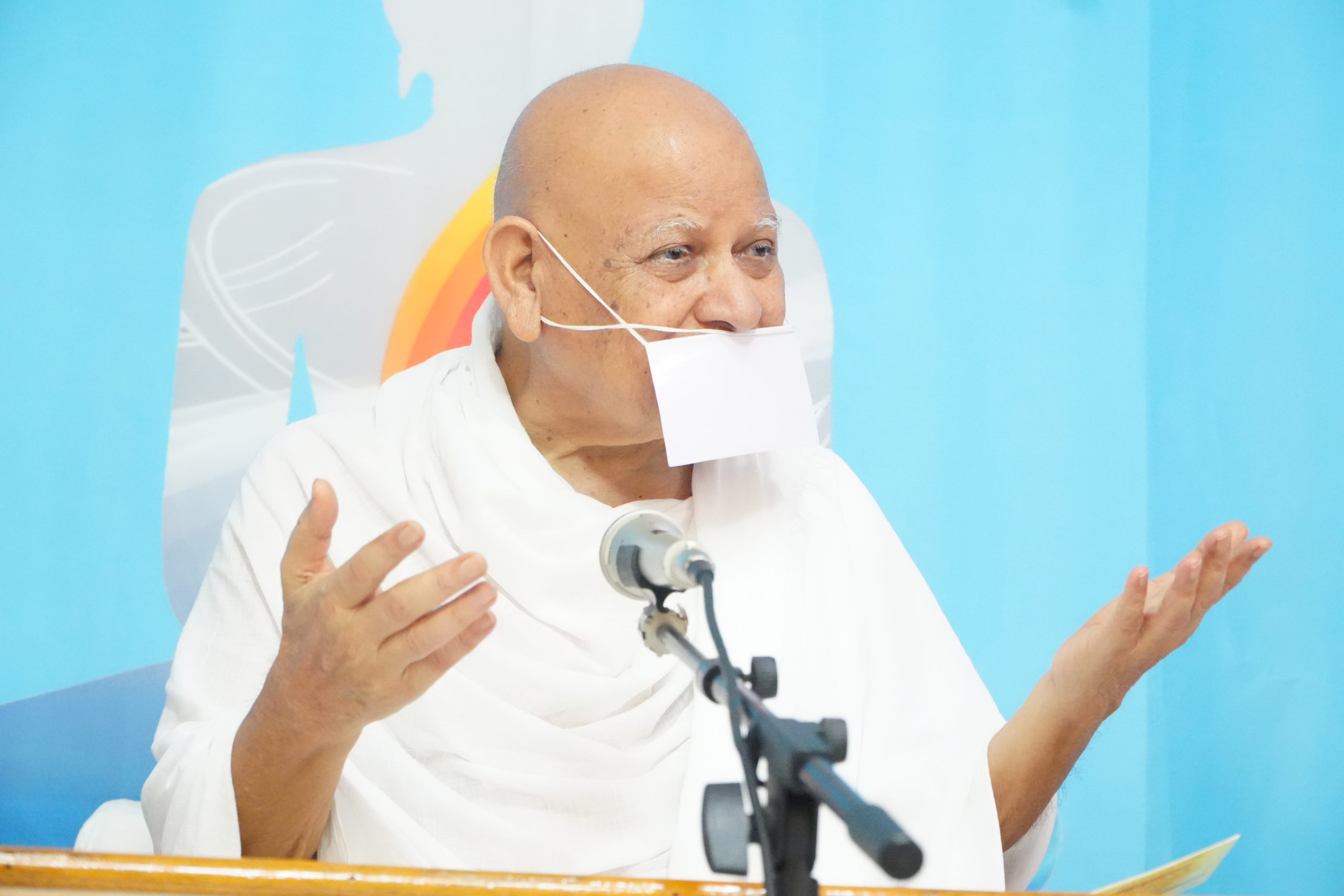
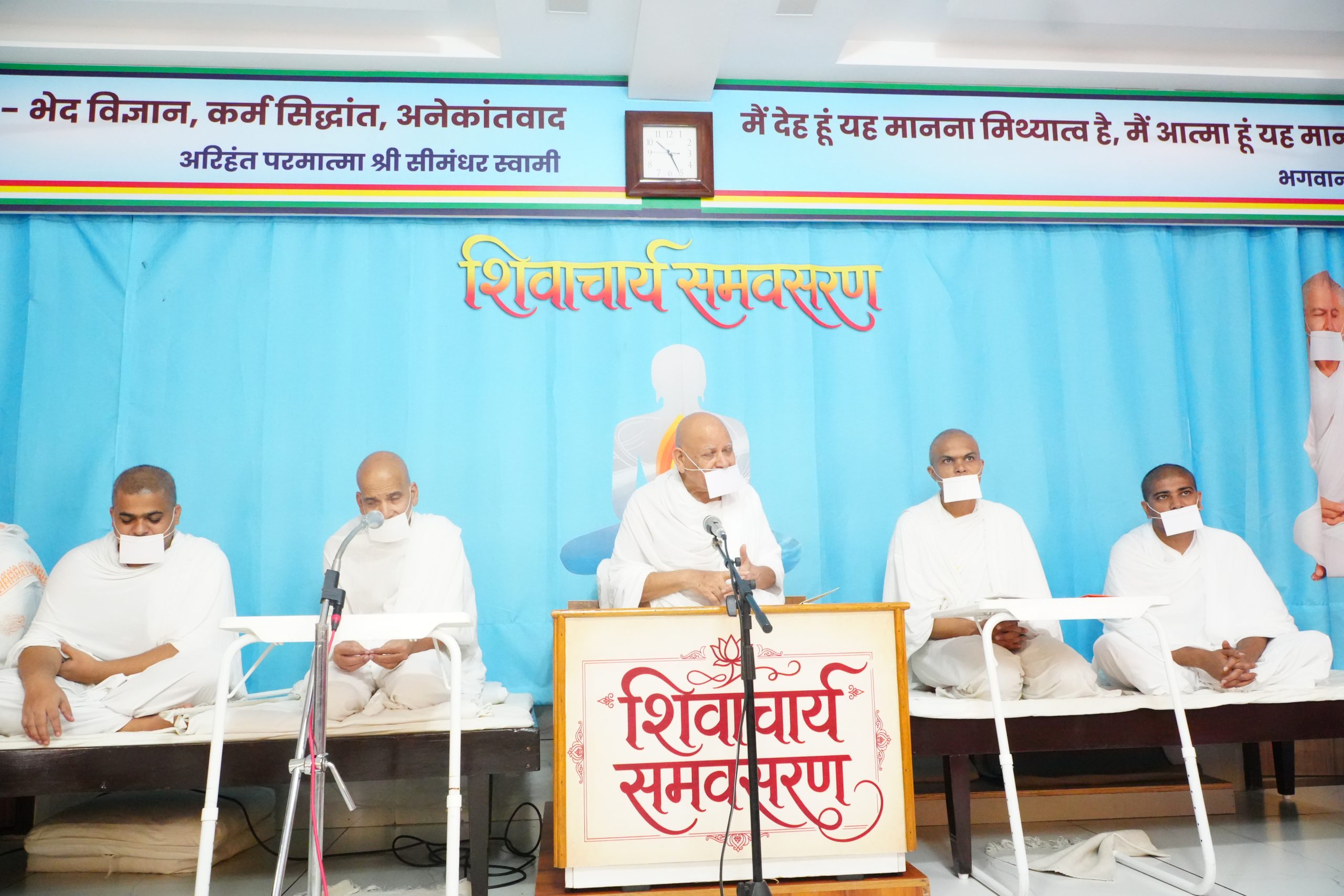
आत्मज्ञानी सद्गुरुदेव आचार्य सम्राट डॉ. श्री शिवमुनि जी म.सा. ने उपस्थित धर्म सभा को संबोधित करते हुए अपने दैनिक उद्बोधन में फरमाया कि – व्यक्ति को किसी व्यक्ति, वस्तु से अनुराग हो जाए तो उसके लिए क्या करना चाहिए? कैसे उसका राग दूर किया जा सकता है? उन्होंने फरमाया कि राग को दूर करने का उपाय है कि साधक उस समय तुरंत विचारे कि यह देह अलग है और आत्मा अलग है। शरीर तो मेरा है नहीं, आत्मा तो अकेली है इस प्रकार वह भेदज्ञान का चिंतन कर राग भाव को दूर किया जा सकता है।
उन्होंने आगे फरमाया कि पुदगल, व्यक्ति, वस्तु, स्थान से राग होता है और राग भाव के कारण ही यह संसार लंबा चल रहा है। जहां राग होगा वहां द्वेष होगा, इसलिए भगवान की वाणी कहती है कि जो वीतरागी होता है उसे किसी से राग नहीं रहता है। जब अनुराग हो जाए तो तत्क्षण देह और आत्मा की भिन्नता करनी चाहिए। जीव को केन्द्र बिन्दू बनाएंगे तो नश्वर शरीर के प्रति प्रेम कम हो जाएगा। भेद विज्ञान बड़ी साधना है। कोई भी कार्य करो भेद करना चाहिए। जितना अधिक विश्वास आत्मा के प्रति होगा उतना ही अधिक जीव को केन्द्र बिन्दु बनाया जा सकता है।
आचार्य भगवन ने यह भी फरमाया कि बहत्तर कलाएं पुरुषों की ओर चौसठ कलाएं स्त्रियों में होती हैं, जिसके अंतर्गत स्त्रियों में एक है गर्भ संस्कार। जब बच्चा गर्भ में हो उस समय ही उसे ऐसे संस्कार दिये जाएं कि तू बुद्ध है, शुद्ध है, निरंजन-निराकार है, सद्चित आनन्द है ऐसी भावना रखनी चाहिए। बच्चे को जैसा ज्ञान देंगे उसमें वैसे ही संस्कारों का निर्माण होता है।
आचार्य भगवन ने आगे फरमाया कि वर्तमान समय में परितर्वन आया है पुराने समय में गुरुकुल होते थे जिसमें निर्धन-धनवान, राजा-प्रजा सभी बच्चे एक ही गुरुकुल में एक साथ अध्ययन करते थे। बच्चों को स्थानक में साधु-साध्वी के दर्शन हेतु ले जाना चाहिए, धर्म की बातें उन्हें बतानी चाहिए। आत्म ध्यान सीखाना चाहिए, जितनी बच्चे की उम्र है उतने ही समय ध्यान कराना चाहिए। बचपन में बच्चों को दिया गया संस्कार, भावी पीढ़ी का अच्छा निर्माण है।
आचार्य भगवन ने यह भी फरमाया कि जीवन की स्थितियां बदल रही है उसका एक ही मार्ग है अरिहंत प्रभु की कृपा से मार्ग मिला उसे अपनाएं जड़ जीव का भेद, और कर्म सिद्धांत को स्वीकार करें कि जो भी मिला है, जैसा कर्म किया है वैसा ही मिला है। जीव कार्मण शरीर ही साथ लेकर जाता है। यदि सिद्धशिला, मोक्ष में जाना है तो कर्म किये हैं उसे एक-एक कर भेदज्ञान कर खाली करना होगा।
व्यक्ति मूढ़ क्यों होता है? इसके समाधान में आचार्य भगवन ने फरमाया कि आत्म ध्यान के अभाव में व्यक्ति मूढ़ हो जाता है वह पुरानी बातें याद कर आर्त्त-रौद्र ध्यान मेें दुःखी होता है। जो भेदज्ञान की साधना को जीवन में अंगीकार कर लेता है तो वह मूढ़ नहीं हो सकता है और अपना जीवन आनन्द के साथ व्यतीत करता है।
प्रमुख मंत्री श्री शिरीष मुनि जी ने अपने उद्बोधन में विनय तप की चर्चा करते हुए आज फरमाया कि विनय धर्म का मूल है। जिस व्यक्ति में अहंकार और कर्त्ता भाव है वह विभाव दशा में होता है उसके भीतर कोई भी गुण प्रवेश नहीं कर सकता है। धर्म में प्रवेश करने के लिए अहंकार कर्त्ता भाव को छोड़ना चाहिए। जब तक विभाव स्थिति नहीं जाती, तब तक कर्त्ता भाव, अहंकार भाव टूटते नहीं है। जैसे किसी वृक्ष की जड़ का सिंचन कर दिया जाए तो उस वृक्ष की डालियां कितनी भी काट ले वह वृक्ष पुनः हरा भरा हो जाता है। ऐसे ही बाहर चाहे कितने ही परिषह आ जाए यदि उसके जीवन में विनय है तो वह धर्म के क्षेत्र में निरंतर आगे बढ़ता चला जाता है।
विनय को चार भागों में बांटा गया है – ज्ञान विनय, दर्शन विनय, चारित्र विनय, उपचार विनय है। श्री शाश्वत मुनि जी म.सा. ने भजन के द्वारा अपनी भावनाएं व्यक्त की।

Addressing the assembled congregation during his daily discourse, the self-realized spiritual master Acharya Samrat Dr. Shri Shivmuni Ji M.S. posed the question: what should a person do when they develop an attachment to an individual or an object? How can such attachment be dispelled? He explained that the remedy lies in the seeker immediately contemplating the distinction between the body and the soul. By reflecting that “the body is not mine; the soul stands alone”—a practice known as Bhed-Vigyan (the science of discernment)—one can eliminate feelings of attachment.
He further stated that attachments arise towards matter (pudgal), people, objects, and places, and it is precisely this attachment that perpetuates the cycle of worldly existence. Where there is attachment, there is bound to be aversion; thus, the teachings of the Divine declare that one who is Veetrag (free from attachment) harbors no attachment towards anyone. Whenever an attachment arises, one should instantly distinguish between the body and the soul. By making the soul—rather than the body—the focal point of one’s identity, attachment to the perishable body diminishes. Bhed-Vigyan is a profound spiritual practice; one should apply this discernment in every action. The greater one’s faith in the soul, the more effectively one can center one’s focus on the soul itself.
Acharya Bhagwan also noted that while men are said to possess seventy-two arts, women possess sixty-four; among these, for women, there is the practice of Garbh Sanskar (prenatal nurturing). When a child is in the womb, they should be instilled with the realization of their true nature—that they are enlightened (Buddha), pure (Shuddha), untainted and formless (Niranjan-Nirakar), and the embodiment of truth, consciousness, and bliss (Sat-Chit-Anand). The nature of the knowledge imparted to the child shapes the values and impressions (sanskaras) formed within them.
Acharya Bhagwan further observed that times have changed; in the past, there were Gurukuls where children from all walks of life—rich and poor, royalty and commoners—studied together in the same institution. Children should be taken to the Sthanak to seek the blessings of Sadhus and Sadhvis (monks and nuns) and should be taught about religion. They should be taught self-contemplation (Atma-dhyan); the duration of this meditation should match the child’s age. Values instilled in childhood lay the foundation for a noble future generation.
Acharya Bhagwan further stated that life’s circumstances are constantly changing; the only way forward—found through the grace of Lord Arihant—is to embrace the path, understand the distinction between the soul and matter, and accept the doctrine of Karma: that one receives exactly what one has earned through one’s actions. The soul carries only its Karman body (karmic body) with it. To attain Siddhashila (the abode of liberated souls) and Moksha (liberation), one must shed accumulated Karma one by one through the practice of Bhed-Vigyan (the wisdom of distinguishing the soul from matter).
Why does a person become deluded (moodh)? Addressing this, Acharya Bhagwan explained that a person becomes deluded in the absence of self-contemplation; dwelling on the past, they suffer through Arta-dhyan (distressful contemplation) and Raudra-dhyan (wrathful contemplation). However, one who embraces the practice of Bhed-Vigyan in life cannot remain deluded and lives a joyful existence.
In his address, Pramukha Mantri Shri Shirish Muni Ji spoke about Vinay Tap (the penance of humility), stating that humility is the root of religion. A person harboring ego and the sense of being the “doer” (Karta-bhav) exists in a state of Vibhav (an unnatural, deluded state of the soul); no virtuous quality can enter them. To enter the realm of religion, one must abandon ego and the sense of doership. As long as the Vibhav state persists, the sense of doership and ego cannot be shattered. Just as a tree flourishes again even after its branches are heavily pruned—provided its roots are watered—similarly, no matter what external hardships (Parishaha) arise, if a person possesses humility, they continue to advance steadily on the spiritual path.
Humility is categorized into four types: Gyan-Vinay (humility regarding knowledge), Darshan-Vinay (humility regarding faith), Charitra-Vinay (humility regarding conduct), and Upchar-Vinay (humility expressed through formal etiquette). — Shri Shashwat Muni Ji M.Sa. He/She expressed his/her emotions through a bhajan.

For causes
that really matter