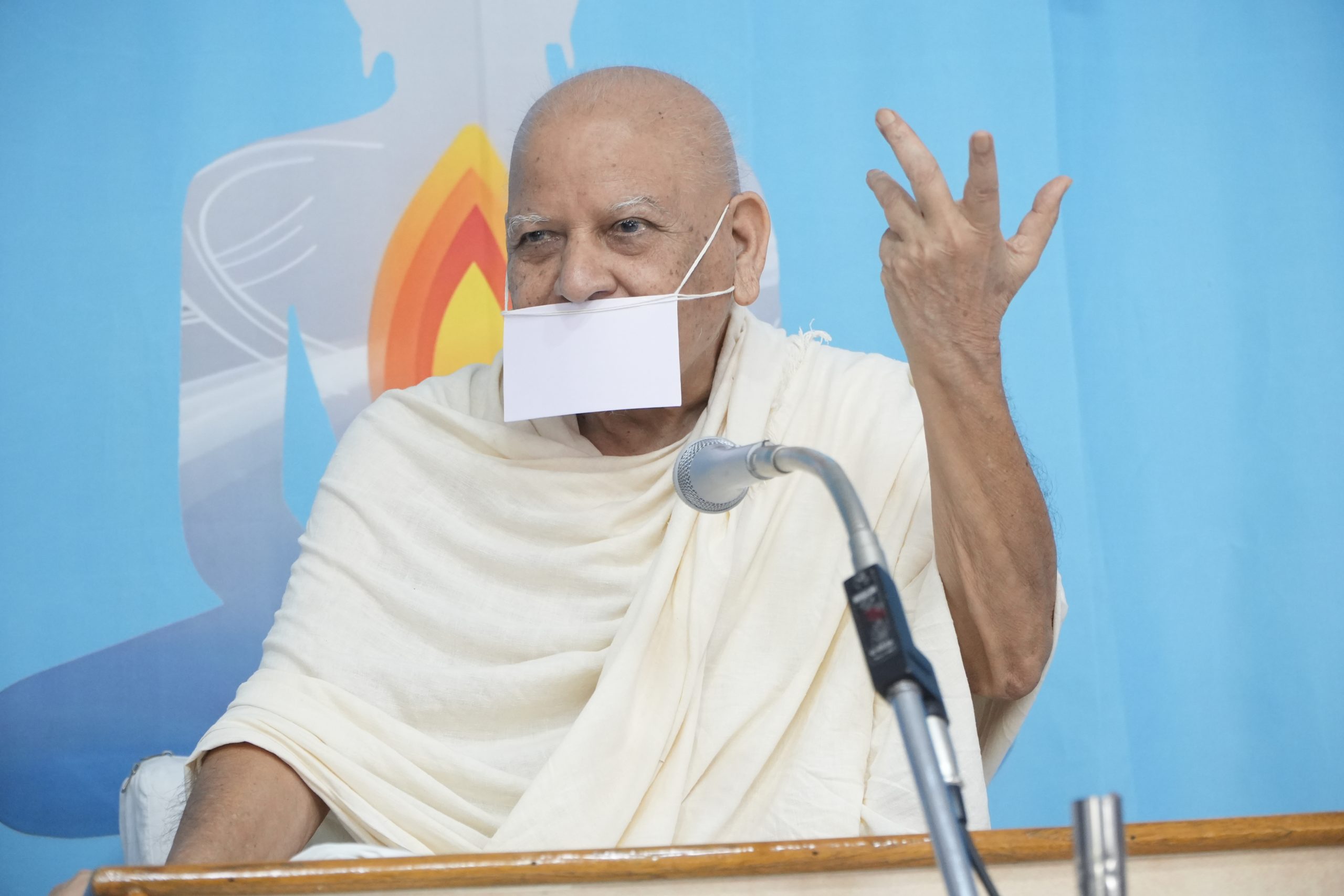
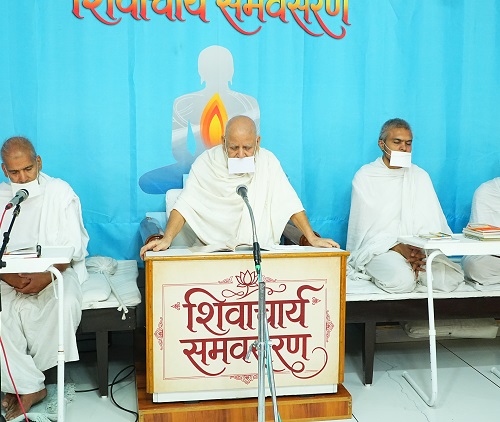
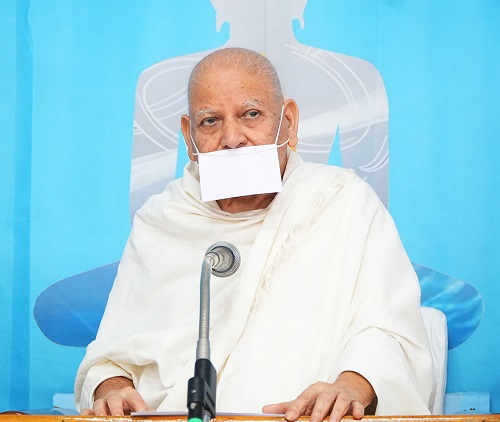
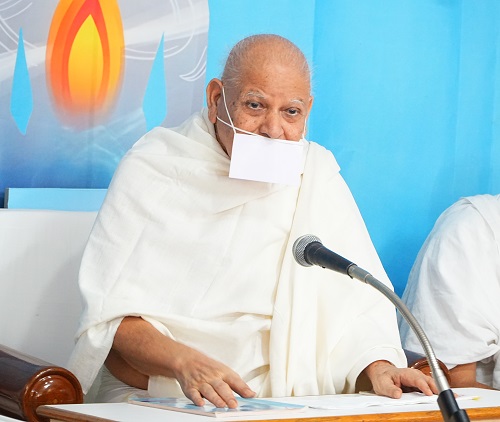
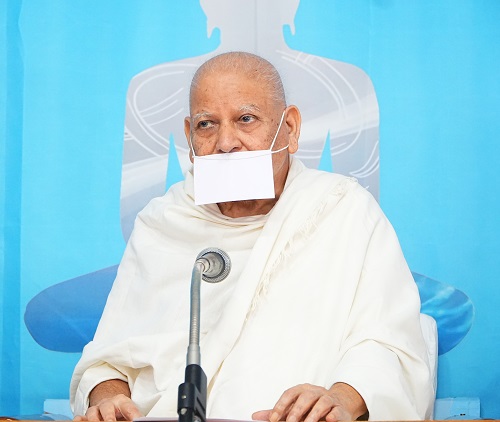
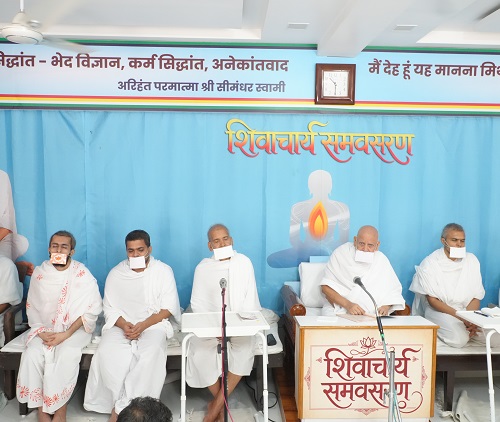
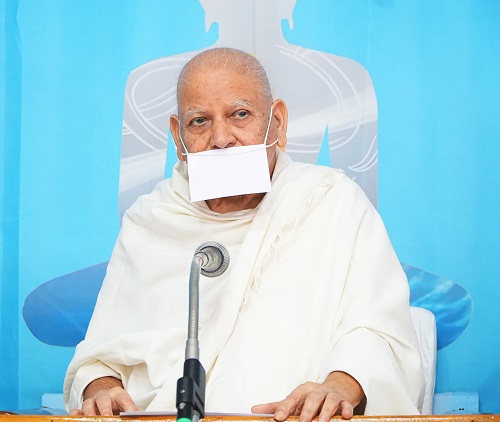
आत्मज्ञानी सद्गुरुदेव आचार्य सम्राट डॉ. श्री शिवमुनि जी म.सा. ने उपस्थित श्रद्धालुओं के मध्य अपने उद्बोधन में फरमाया कि श्री उत्तराध्ययन सूत्र के प्रति श्रद्धा हो, भक्ति हो तो प्रत्येक गाथा, प्रत्येक सूत्र, प्रत्येक शब्द बहुत ही मूल्यवान है। जिस प्रकार कोई व्यक्ति कई दिनों से भुखा है उसे यदि बासी रोटी भी मिल जाए वह उसे प्रसन्नता से ग्रहण कर लेता है। दूसरी तरफ एक भरपेट व्यक्ति है उसे चाहे मिठाई या अच्छे भोजन की मनुहार कर लो, किंतु उसकी इच्छा नहीं है तो वह उसे ग्रहण नहीं करता। ऐसे ही जिनवाणी के प्रति प्यास, रूचि पैदा होगी तो वह जिनवाणी के प्रति अनुरक्त होगा और अपने जीवन को साधनामय बनाने की ओर गतिमान होगा।
आचार्य भगवन ने आगे फरमाया कि जो साधक अपने संसार को छोटा करना चाहते हैं वे जिनवचनों के प्रति तल्लिन हों। जिस तरह से मिश्री का एक दाना चख लिया तो वह मुंह को मीठा कर देती है, ऐसे जिनवाणी का कोई एक वचन पकड़ लिया जो जीवन का रूपान्तरण हो सकता है। जिनवाणी श्रवण करने के लिए भावों का बड़ा महत्त्व है। दान, शील, तप भाव का बड़ा महत्त्व है। साधक जिस भाव से दान, तप, शील करता है उसी भाव से वह आगे बढ़ता है।
आचार्य भगवन ने आगे फरमाया कि किसी मुनि के मन में देह के प्रति प्रेम उत्पन्न हो तो उसे भेदज्ञान का अभ्यास करना चाहिए। वह इस देह को पराया जाने कि यह पिण्ड पराया है। जो साधु या साधक शरीर को अपना मानता है तो वह साधना नहीं कर सकता है और न ही वह कर्मों को काट सकता है। कर्म निर्जरा के लिए पहला सिद्धांत है कि मेरा शरीर नहीं है। मैं शरीर नहीं हूं इसे मानना, जानना और स्वीकार करना है। जब शरीर के प्रति मोह होता है तो फिर आगे परिवार, सम्बन्धी जुड़ते जाते हैं इसलिए मोह को तोड़ने के लिए भगवान की वाणी में कहा गया है कि देह पराया है।
उन्होंने यह भी फरमाया कि व्यक्ति के देह के प्रति लगाव के कारण किसी ने उसे चार शब्द अच्छे कह दिये तो वह उसे मित्र मान लेता है और प्रतिकूल शब्द कह दिये तो उसके मन में द्वेष आ जाता है। चार शब्द अच्छे या बुरे हमें प्रभावित कर देते हैं। जब शरीर के प्रति अनुराग हो जाए तो भेदविज्ञान करना चाहिए। सारी साधना का सार भेद विज्ञान से शुरू होता है। जिस तरह से गंदे हुए कपड़े पर साबुन लगाकर पानी से साफ कर दिया जाता है उसी तरह भेद विज्ञान द्वारा कर्म मैल को भेदज्ञान द्वारा साफ किया जा सकता है।
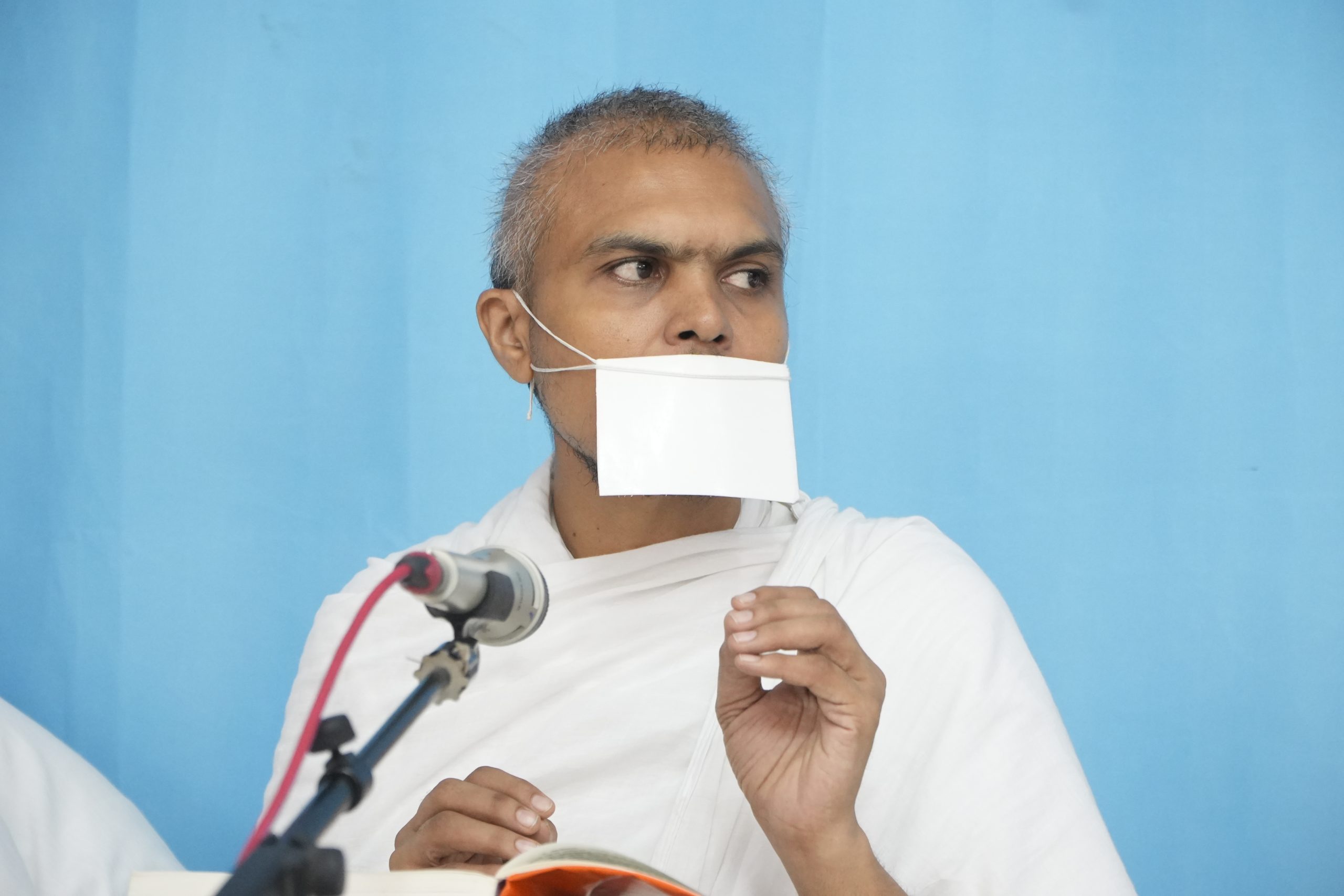
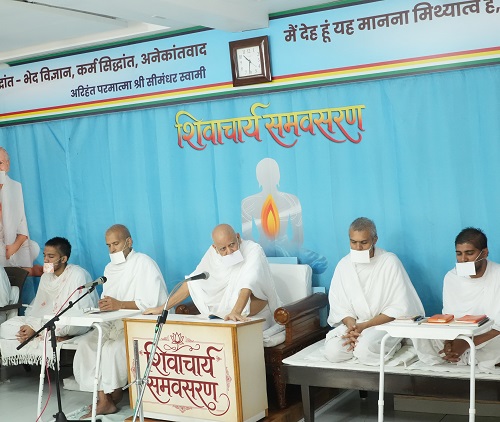
श्री उत्तराध्ययन सूत्र वांचन में युवामनीषी सहमंत्री श्री शुभम मुनि जी ने छठा अध्ययन क्षुल्लक निर्ग्रन्थीय में 18 गाथा, सातवां अध्ययन उरभ्रीय में 30 गाथा एवं आठवां अध्ययन कापिलीय में 20 गाथाओं का मूल वांचन किया। उन्होंने विवेचन में फरमाया कि भगवान की देशना प्राचीन होते हुए भी आज भी उसमें हमारी समस्त समस्याओं का समाधान समाहित है। शहद की छोटी बूंद मुंह को मीठा कर देती है। श्री उत्तराध्ययन सूत्र प्रभु महावीर की अंतिम देशना है। जिनवाणी का हर अक्षर, एक-एक पद अध्यात्म का अमृत लेकर आता है जिससे मुमुक्षु साक्षात अमरत्व को प्राप्त करते हैं।
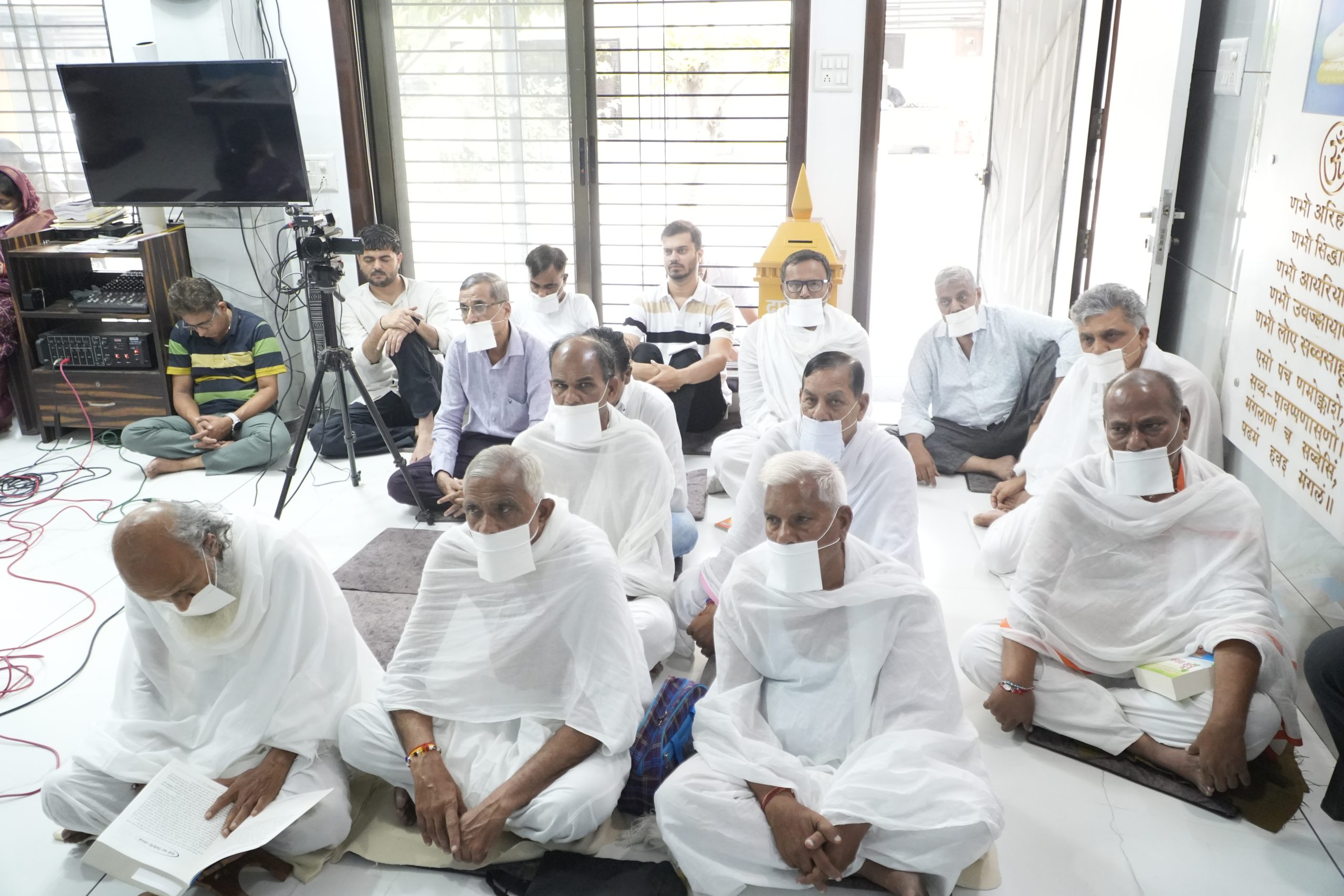
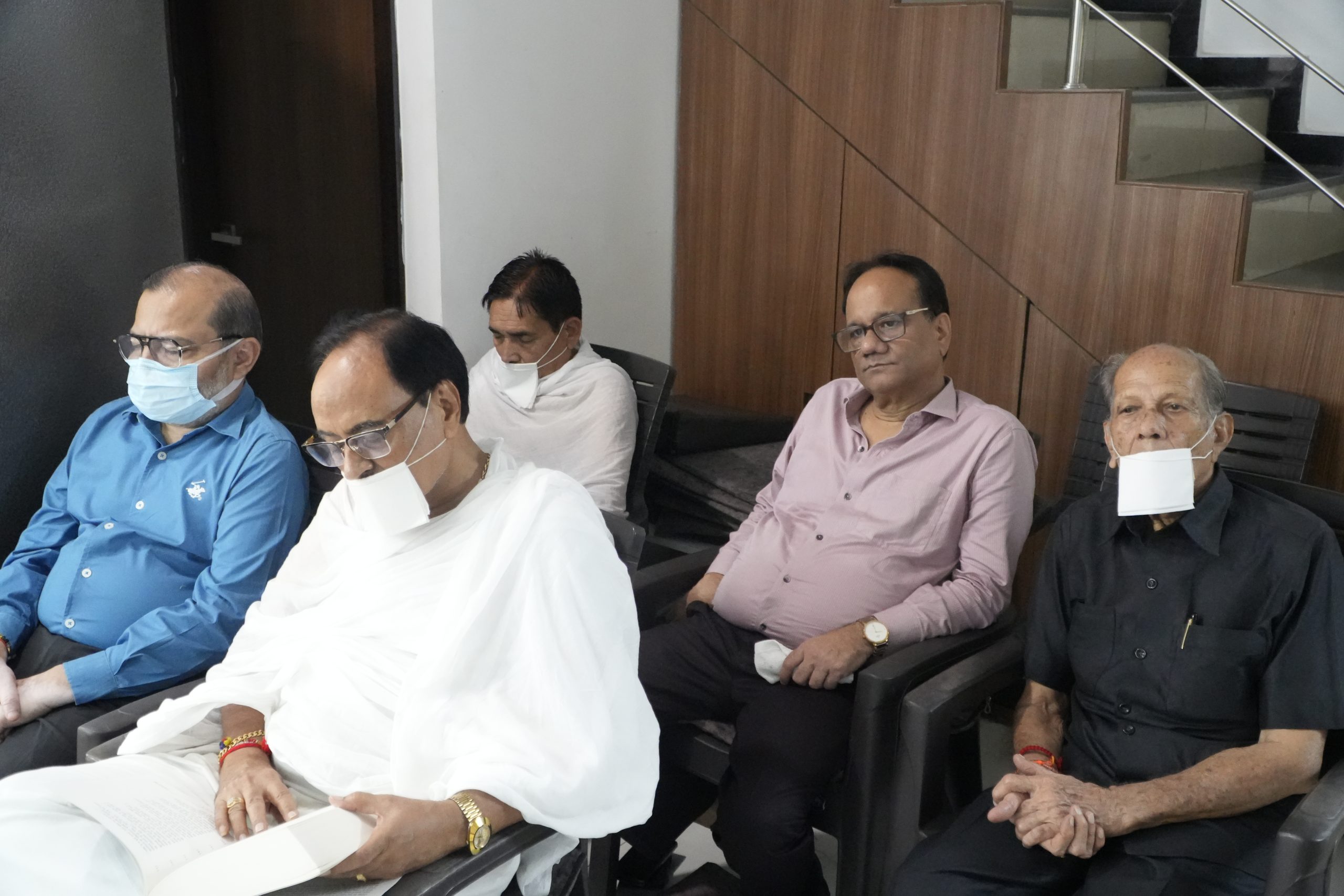
आज अनुष्ठान वालांे के लिए सामुहिक त्याग में आचार का त्याग करवाया। आज की धर्म सभा में बोलाराम, सवाई माधोपुर, जोधपुर, दिल्ली आदि स्थानांे से गुरुभक्त उपस्थित रहे।
Addressing the assembled devotees, the self-realized spiritual master, Acharya Samrat Dr. Shri Shivmuni Ji M.S., stated that if one possesses faith and devotion toward the Shri Uttaradhyayan Sutra, then every single verse (gatha), every aphorism (sutra), and every word becomes profoundly valuable. Just as a person who has been hungry for days will gladly accept even a stale piece of bread, a person who is already satiated—even if offered sweets or a sumptuous meal—will decline it if they have no desire for it. Similarly, if a ‘thirst’ or genuine interest in the Jin-Vani (the teachings of the Jinas) arises within an individual, they will become deeply devoted to these teachings and begin moving toward a life dedicated to spiritual practice (sadhana).
Acharya Bhagwan further explained that those spiritual aspirants (sadhakas) who wish to diminish their worldly entanglements should immerse themselves in the words of the Jinas. Just as a single crystal of rock sugar (mishri) sweetens the entire mouth, even one teaching from the Jin-Vani can serve to transform one’s entire life. The state of one’s inner disposition (bhava) is of great significance when listening to the Jin-Vani. The bhava behind acts of charity (dana), virtuous conduct (sheela), and penance (tapa) is paramount; it is through this very disposition that an aspirant progresses on their spiritual path.
Acharya Bhagwan further advised that if an attachment to the physical body arises in the mind of a monk, he should practice bhed-jnana (the discernment between the self and the body). He should recognize the body as something distinct—as an entity that is not his own. A monk or aspirant who identifies with the body cannot engage in true spiritual practice, nor can he shed his karmas. The fundamental principle for the shedding of karmas (karma-nirjara) is the realization, knowledge, and acceptance of the truth: “This body is not mine; I am not this body.” When there is attachment to the physical body, it naturally leads to further attachments—to family, relatives, and others. Therefore, to break this cycle of attachment, the teachings of the Lord state that the body is not truly one’s own; it is, in essence, ‘other’ (external to the true self).
It was further explained that because of this attachment to the body, if someone speaks a few kind words, a person considers them a friend; conversely, if someone speaks harsh or unfavorable words, feelings of malice arise. A few words—whether pleasant or unpleasant—can deeply influence us. When such attachment to the body takes hold, one should practice bhed-vigyan (the discernment between the self and the non-self). The essence of all spiritual practice begins with this discernment. Just as soiled clothes are cleansed using soap and water, the ‘stain’ of karma can be removed through the practice of bhed-vigyan.
During the recitation of the Shri Uttaradhyayana Sutra, the Sahamantri Shri Shubham Muni Ji, recited the original verses (gathas) of the sixth chapter (Kshullaka Nirgranthiya — 18 verses), the seventh chapter (Urabhriya — 30 verses), and the eighth chapter (Kapiliya — 20 verses). In his discourse, he noted that although the Lord’s teachings are ancient, they still contain solutions to all our contemporary problems. Just as a single drop of honey can sweeten the mouth, the Shri Uttaradhyayana Sutra—which represents the final sermon of Lord Mahavira—serves a similar purpose. Every letter and every phrase of the Jin-vani (the Lord’s words) carries the nectar of spirituality, through which those who earnestly seek liberation (mumukshu) can attain true immortality.
As part of the ongoing spiritual observances, the participants were guided in the collective practice of tyaga (renunciation). Devotees from various places, including Bolaram, Sawai Madhopur, Jodhpur, and Delhi, were present at today’s religious assembly.
भारतीय धर्मों में मोक्ष की अवधारणा पर शोध करते हुए मैंने जाना कि सब धर्मों में कॉमन है – ध्यान । तीस वर्षों की मेरी ध्यान साधना का सार है- “ आत्म ध्यान ” । यह कम्प्यूटर के डिलीट बटन की तरह साधक के मन मानस से गैरजरूरी यादें, संस्मरण, नकारात्मकता डिलीट कर देता है। अंतर्मन शांत, शुद्ध और सात्विक हो जाने से आत्म ध्यान का साधक सकारात्मक सोचने लगता है।
WhatsApp us