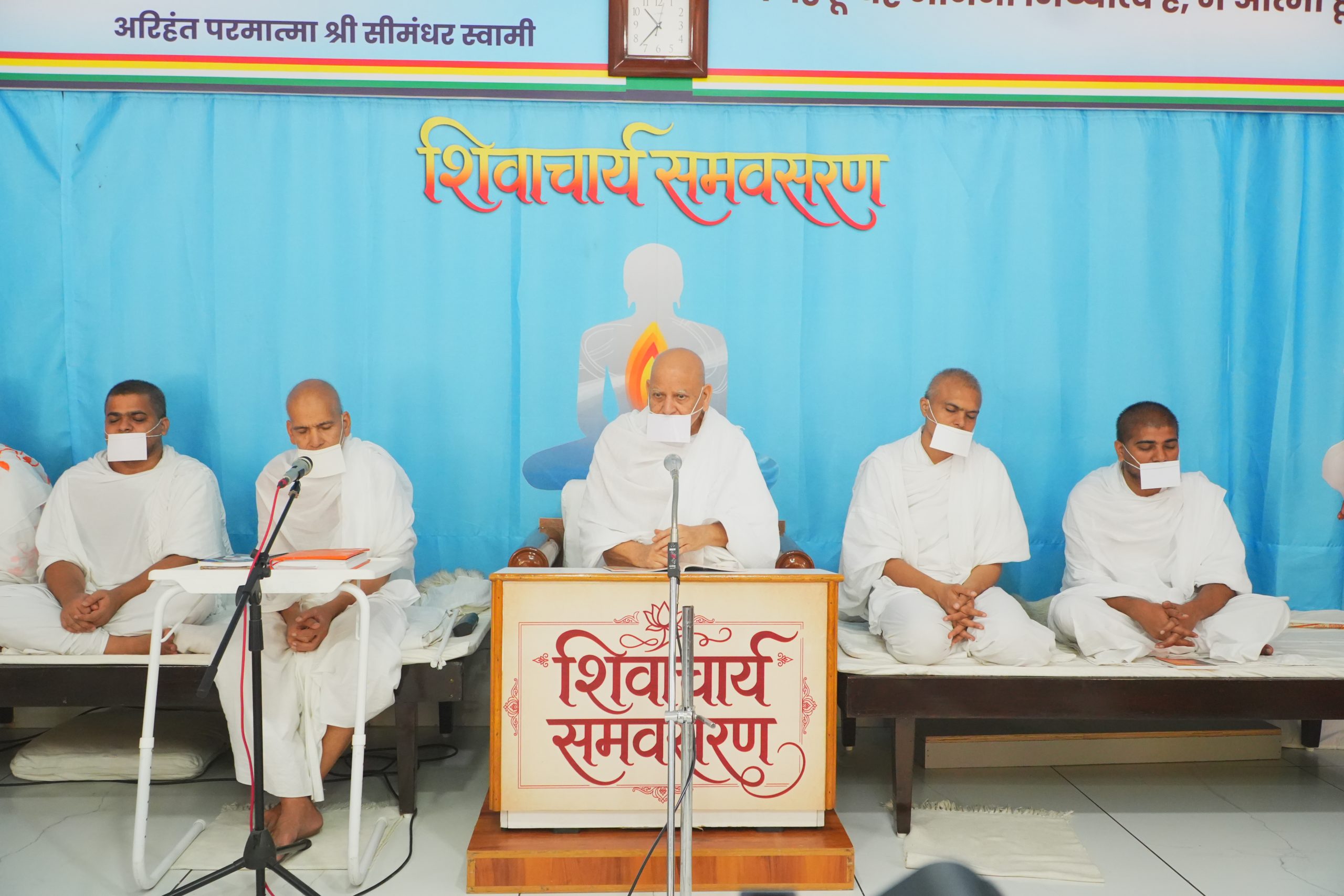
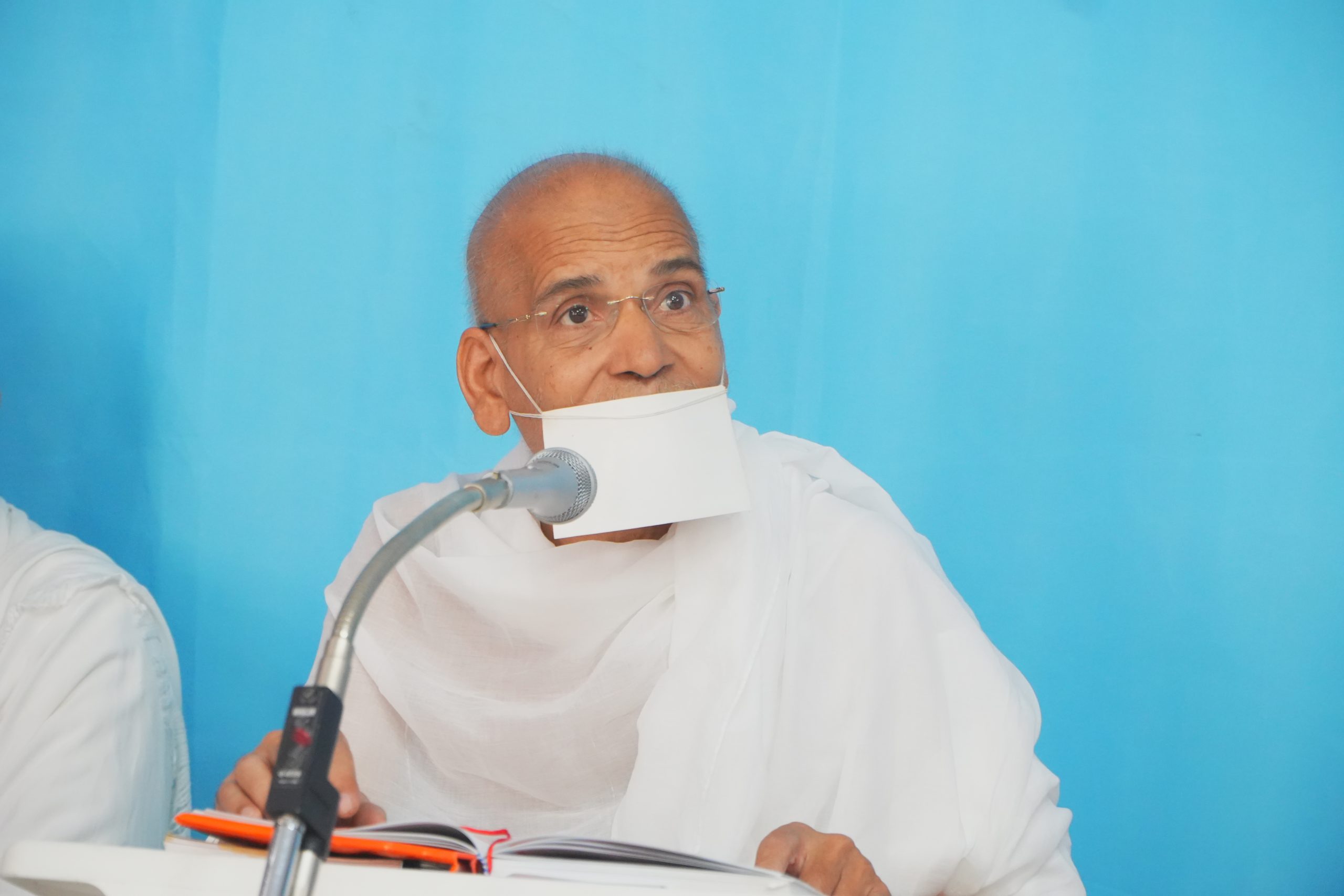
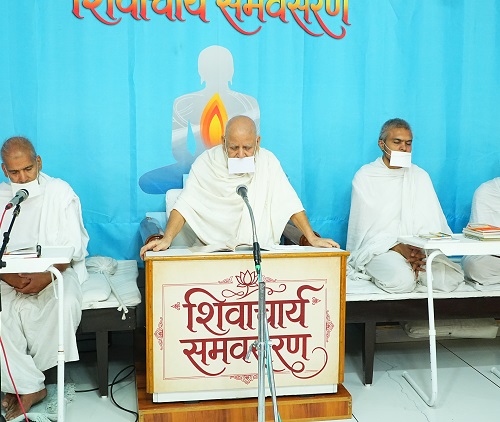
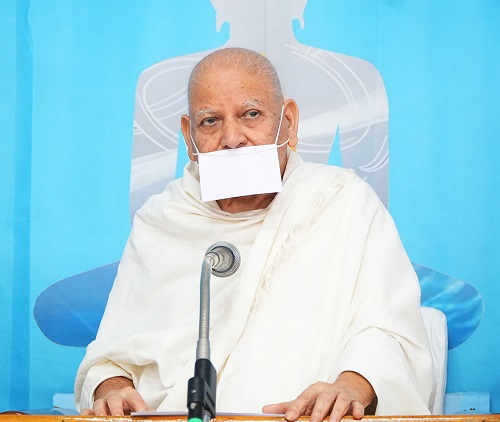
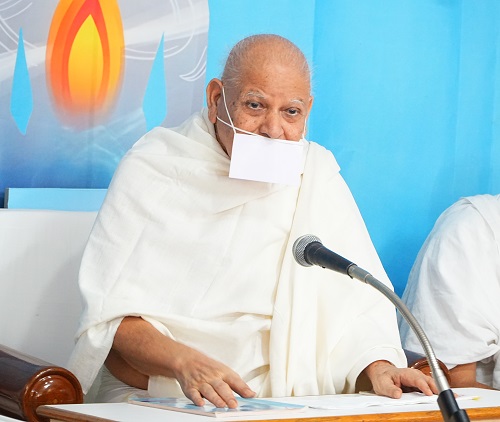
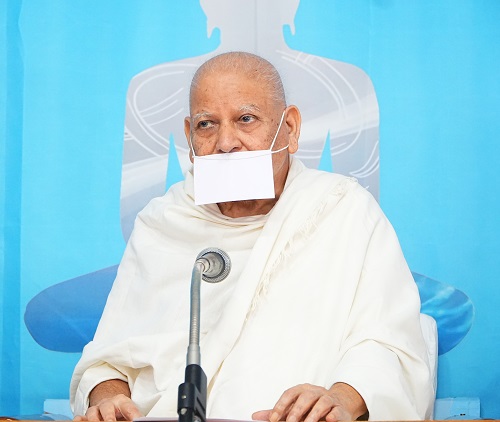
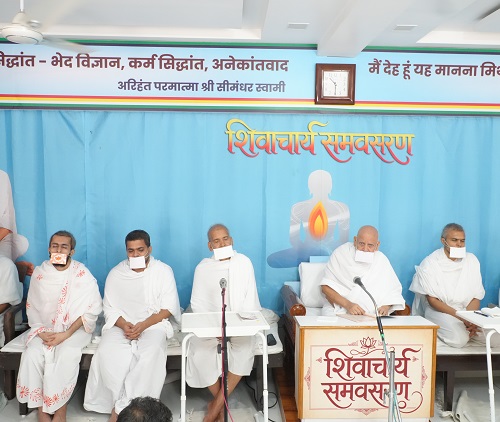
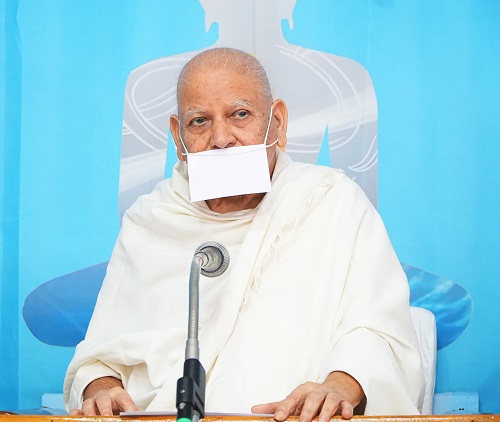
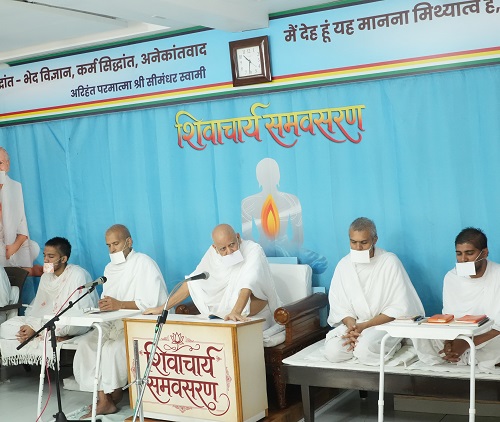
आत्मज्ञानी सद्गुरुदेव आचार्य सम्राट डॉ. श्री शिवमुनि जी म.सा. ने उपस्थित श्रद्धालुओं के मध्य फरमाया कि प्रभु महावीर की वाणी हमें सत्य का शोध करना सीखाती है। सत्य क्या है? सत्य कैसे प्राप्त किया जाता है उसकी शोध कहां से करनी चाहिए। इसका उत्तर है सत्य की खोज अपने भीतर से करनी है। भगवान महावीर का प्राणी मात्र के लिए मंगल का भाव था। भगवान महावीर की मैत्री, करुणा, साधना को जीवन में अपनाएं तो शांति हो सकती है।
उन्होंने आगे फरमाया कि सत्य को शास्त्र, प्रवचन, पुस्तकों से प्राप्त नहीं किया जा सकता। वह अपनी भीतर की खोज से प्राप्त होता है। भगवान महावीर, महात्मा बुद्ध ऐसे अनेक महापुरुष हुए जिन्होंने सत्य की खोज अपने भीतर से की। भगवन महावीर जिस पथ पर चले वह राजमार्ग बन गया। जो बोले वह शास्त्र बन गया, वीतराग वाणी बन गई। इस प्रकार भगवान महावीर की साधना थी। भगवान महावीर महान थे उनका जीवन तप, त्याग, तपस्या का था। उन्होंने साढे़ बारह वर्ष कठोर साधना के बाद सत्य को, केवलज्ञान को प्राप्त किया और सभी को जीवन की नई राह दिखाई।
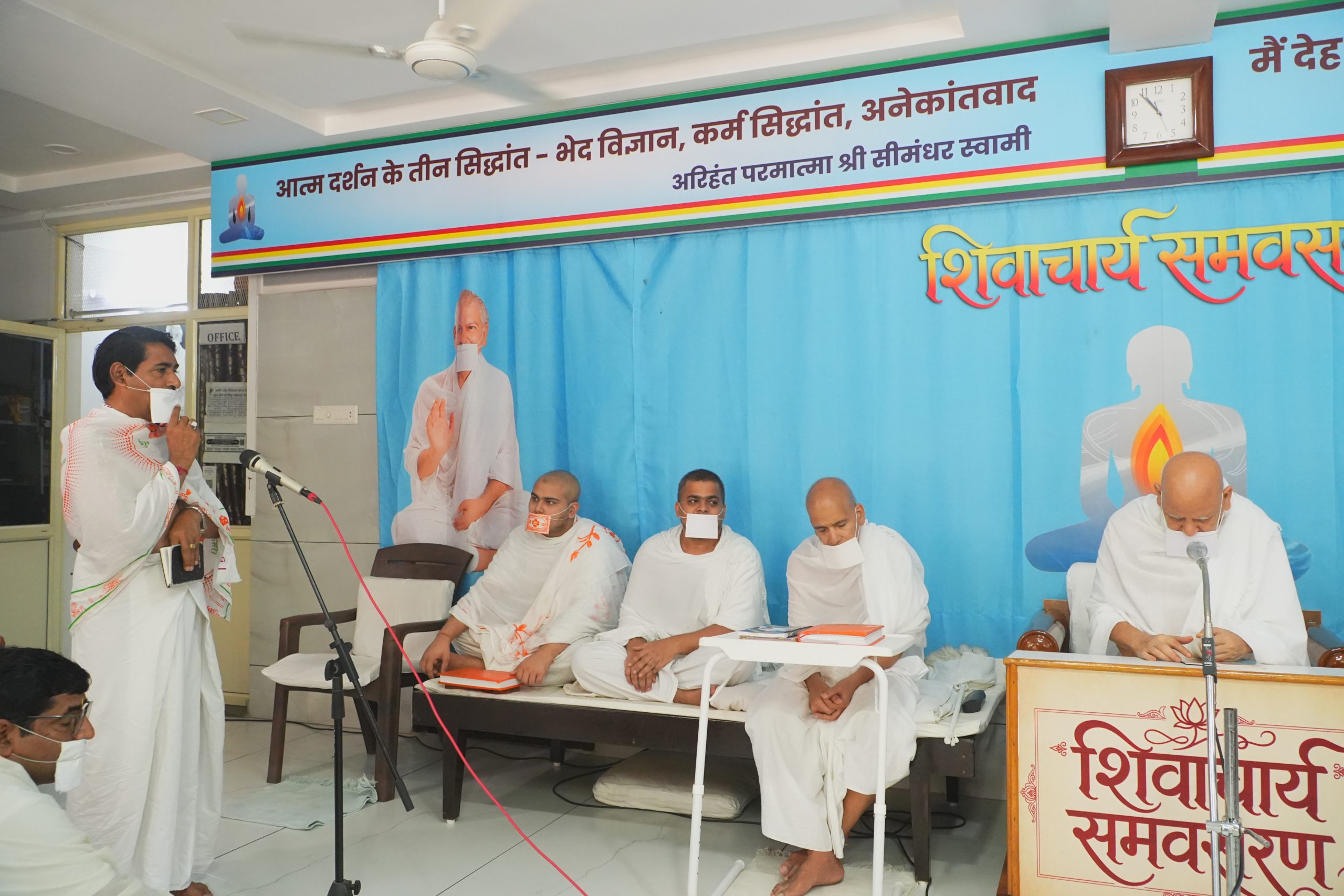
आचार्य भगवन ने युवाचार्य श्री महेन्द्रऋषि जी म.सा. के 60वें जन्मोत्सव पर मंगल उद्बोधन में फरमाया कि आत्मा का कोई जन्म मरण नहीं होता है। शरीर का जन्म-मरण होता है किंतु एक व्यवहार दृष्टि से जन्म दिन मनाते हैं। मेरी भी भावना नहीं थी कि मेरा जन्म दिन मनाएं, परंतु जैन कॉन्फ्रेन्स के पदाधिकारियों ने अपना अधिकार समझकर जन्मोत्सव मनाया। युवाचार्य श्री जी के लिए आज हम मंगल कामना करते हैं। युवाचार्य श्री जी ने छोटी उम्र में ही आचार्य सम्राट पूज्य श्री आनन्दऋषि जी म.सा. के सान्निध्य में गंभीर अध्ययन किया। कोई पद लेता नहीं है स्वयं की योग्यता पद दिला देती है। सन् 2015 में इन्दौर सम्मेलन में पांच सौ साधु-साध्वियों के मध्य मंथन चला और उनको युवाचार्य पद प्राप्त हुआ। तत्पश्चात् चार चातुर्मास में साथ रहकर उन्होंने आत्म ध्यान सीखा अब वे स्वयं ध्यान करते हैं और ध्यान करवाते हैं, उनके जन्मोत्सव पर यही मंगल भावना है कि वे ध्यान साधना के मार्ग पर अग्रसर होते हुए निरंतर ध्यान साधना की ऊंचाईयों को प्राप्त करें।
प्रमुख मंत्री श्री शिरीष मुनि जी म.सा. ने अपने उद्बोधन में युवाचार्य प्रवर श्री महेन्द्र ऋषि जी म.सा. के 60वें अवतरण दिवस पर मंगल कामना करते हुए फरमाया कि युवाचार्य श्री जी विनम्र एवं चारित्रवान हैं। आपके इन गुणों से ही आप इस युवाचार्य पद पर पहुंचे हैं। आज आप वय स्थविर हो रहे हैं। आप अपने अनुभव द्वारा श्रमण संघ को और ऊंचाइयां प्रदान करेंगे आपके लिए सम्पूर्ण श्रमण संघ की ओर से हमारी हार्दिक शुभ मंगल कामनाएं हैं।
तत्त्वार्थ सूत्र पर प्रकाश डालते हुए उन्होंने आर्त्त ध्यान के संदर्भ में चारों प्रकारों का उल्लेख करते हुए फरमाया कि किसी अप्रिय वस्तु का प्राप्त नहीं होने पर जो ध्यान होता है वह आर्त्त ध्यान है। जिसमें अनिष्ट दूर करने की चिंता निरंतर लगी रहती है। शरीर में बुखार बीमारी आ गई उसके लिए चिंता करना कि मेरे साथ ही ऐसा क्यों हुआ अंदर से वेदना होती है वह आर्त्त ध्यान का पहला प्रकार है। दूसरा आर्त्त ध्यान कि जैसे विष या कांटा, शस्त्र, शत्रु ये दुःख कारण हैं ये स्वयं दुःख नहीं है। इसे दूर करने की चिंता करना में लगे रहना। तीसरा है प्रिय वस्तु का वियोग, जैसे पुत्र, स्त्री, धन का वियोग होने पर उनके मिलने के लिए बार-बार विचार आना तीसरा ध्यान है। चौथा ध्यान है – अप्राप्त वस्तुओं का न होने पर प्राप्त करने की तीव्र इच्छा करना है। इसलिए मनुष्य को सुखी होने के लिए आर्त्त-रौद्र ध्यान न कर समभाव की साधना करना चाहिए कि जो मिला या नहीं मिला वह मेरे उदय कर्म के कारण है।
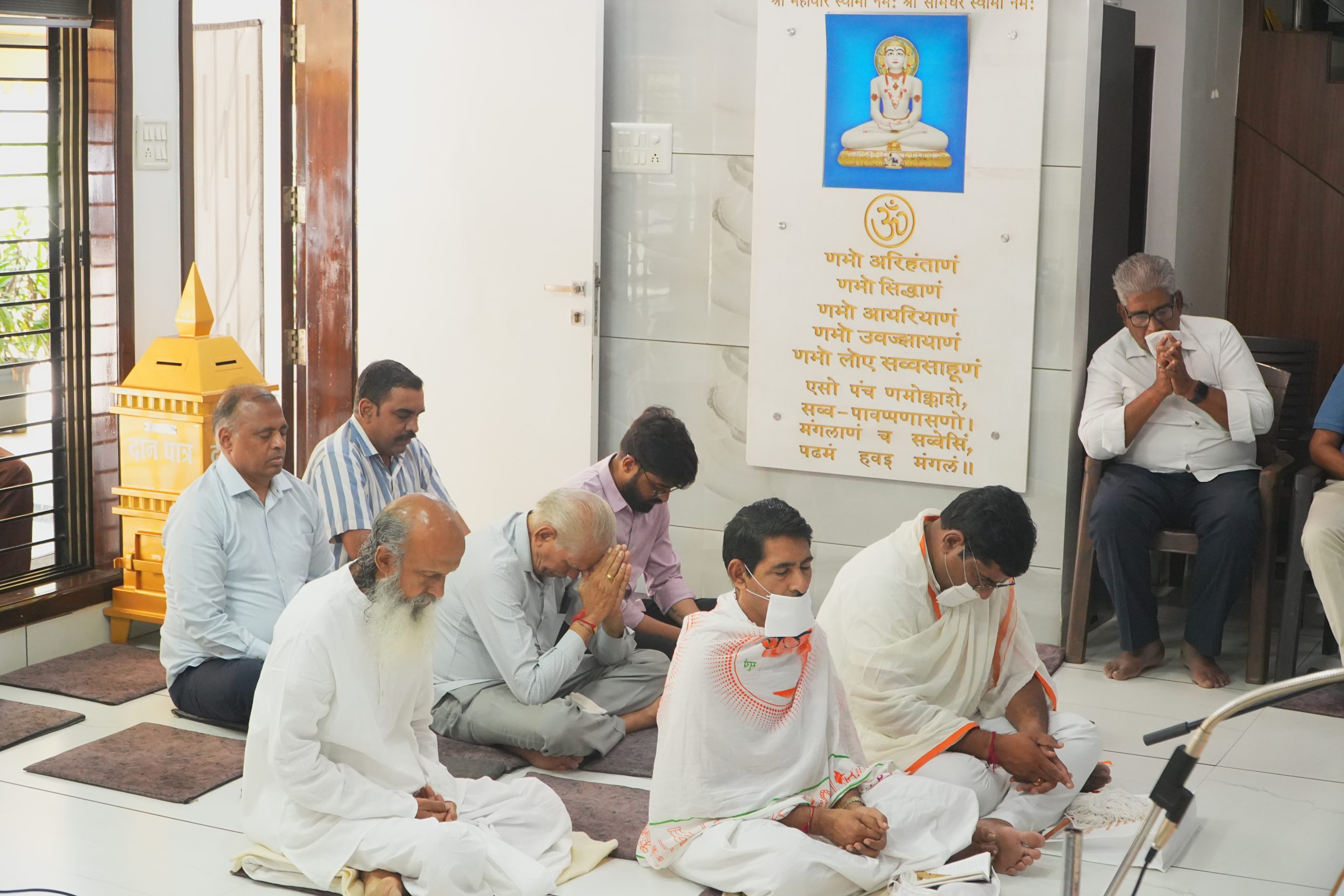
मधुर गायक श्री निशांत मुनि जी म.सा. ने ‘‘नाम प्रभु का ले ले’’ भजन की प्रस्तुति दी। इस अवसर पर चैन्नई वैलेचेरी से आए श्री प्रसन्न दुगड़ ने अपनी भावनाएं व्यक्त की।
The enlightened spiritual master, Acharya Samrat Dr. Shri Shivmuni Ji M.Sa., addressed the assembled devotees, stating that the teachings of Lord Mahavir instruct us on how to seek the truth. What is truth? How is it attained, and where should one search for it? The answer is that the search for truth must begin within oneself. Lord Mahavir harbored sentiments of well-being for all living beings. Peace can be attained by incorporating Lord Mahavir’s virtues of universal friendship (maitri), compassion (karuna), and spiritual practice (sadhana) into our lives.
He further remarked that truth cannot be found merely in scriptures, sermons, or books; it is realized through an inward search. Great figures like Lord Mahavir and Mahatma Buddha sought and found the truth within themselves. The path Lord Mahavir walked became a ‘royal road’ for others to follow. His words became scriptures—the voice of the detached (Veetrag Vani). Such was the nature of Lord Mahavir’s spiritual practice. Lord Mahavir was truly great; his life was defined by penance, renunciation, and rigorous spiritual discipline. After twelve and a half years of intense spiritual practice, he attained the ultimate truth—Keval-Gyan (Omniscience)—and showed humanity a new path of life.
In his auspicious address on the occasion of Yuvacharya Shri Mahendrarishi Ji M.Sa.’s 60th birthday celebration, Acharya Bhagwan noted that the soul is beyond birth and death. While the body undergoes birth and death, we celebrate birthdays from a worldly perspective. “I, too, never desired for my birthday to be celebrated, yet the office-bearers of the Jain Conference organized the event, exercising what they considered their right. Today, we offer our best wishes to Yuvacharya Shri Ji. At a young age, Yuvacharya Shri Ji undertook profound studies under the guidance of Acharya Samrat Pujya Shri Anandrishi Ji M.Sa. One does not simply ‘take’ a position; it is one’s own merit and capability that earn it.” In 2015, during the Indore conference, deliberations took place among five hundred monks and nuns, leading to his appointment to the position of Yuvacharya (Junior Acharya). Subsequently, having spent four Chaturmas (monsoon retreats) in close association, he learned the practice of self-meditation; today, he both practices meditation and guides others in it. On the occasion of his birth anniversary, the auspicious wish is that he continues to advance on the path of meditative practice and scales ever-greater heights in this spiritual discipline.
In his address Pramukh Mantri Shri Shirish Muni Ji M.Sa. extended auspicious wishes on the 60th birth anniversary of Yuvacharya Pravar Shri Mahendra Rishi Ji M.Sa., noting that Yuvacharya Shri is humble and a person of exemplary character. It is precisely these qualities that have led him to the position of Yuvacharya. As he advances in age, he will undoubtedly elevate the Shraman Sangh to new heights through his experience; the entire Shraman Sangh offers him heartfelt, auspicious wishes.
Shedding light on the Tattvartha Sutra, he discussed the four types of Arta Dhyana (distressed or sorrowful meditation). He explained that Arta Dhyana arises when one fails to obtain a desired object or encounters an unpleasant situation, accompanied by a constant anxiety to avert the undesirable. The first type involves worrying about physical ailments or fevers—questioning why such misfortune has befallen oneself and feeling internal anguish. The second type concerns the anxiety to remove sources of suffering—such as poison, thorns, weapons, or enemies—which are causes of pain rather than pain itself. The third type arises from separation from loved ones—such as a son, spouse, or wealth—leading to repetitive thoughts about reuniting with them. The fourth type is the intense desire to acquire objects one does not yet possess. Therefore, to attain happiness, one should cultivate equanimity rather than engaging in Arta Dhyana or Raudra Dhyana (wrathful meditation), recognizing that whatever one has or lacks is the result of one’s own Karma coming to fruition.
Madhur Gayak Shri Nishant Muni Ji M.Sa. …presented the bhajan “Naam Prabhu Ka Le Le.” On this occasion, Shri Prasanna Dugad, who had come from Velachery, Chennai, expressed his sentiments.
भारतीय धर्मों में मोक्ष की अवधारणा पर शोध करते हुए मैंने जाना कि सब धर्मों में कॉमन है – ध्यान । तीस वर्षों की मेरी ध्यान साधना का सार है- “ आत्म ध्यान ” । यह कम्प्यूटर के डिलीट बटन की तरह साधक के मन मानस से गैरजरूरी यादें, संस्मरण, नकारात्मकता डिलीट कर देता है। अंतर्मन शांत, शुद्ध और सात्विक हो जाने से आत्म ध्यान का साधक सकारात्मक सोचने लगता है।
WhatsApp us