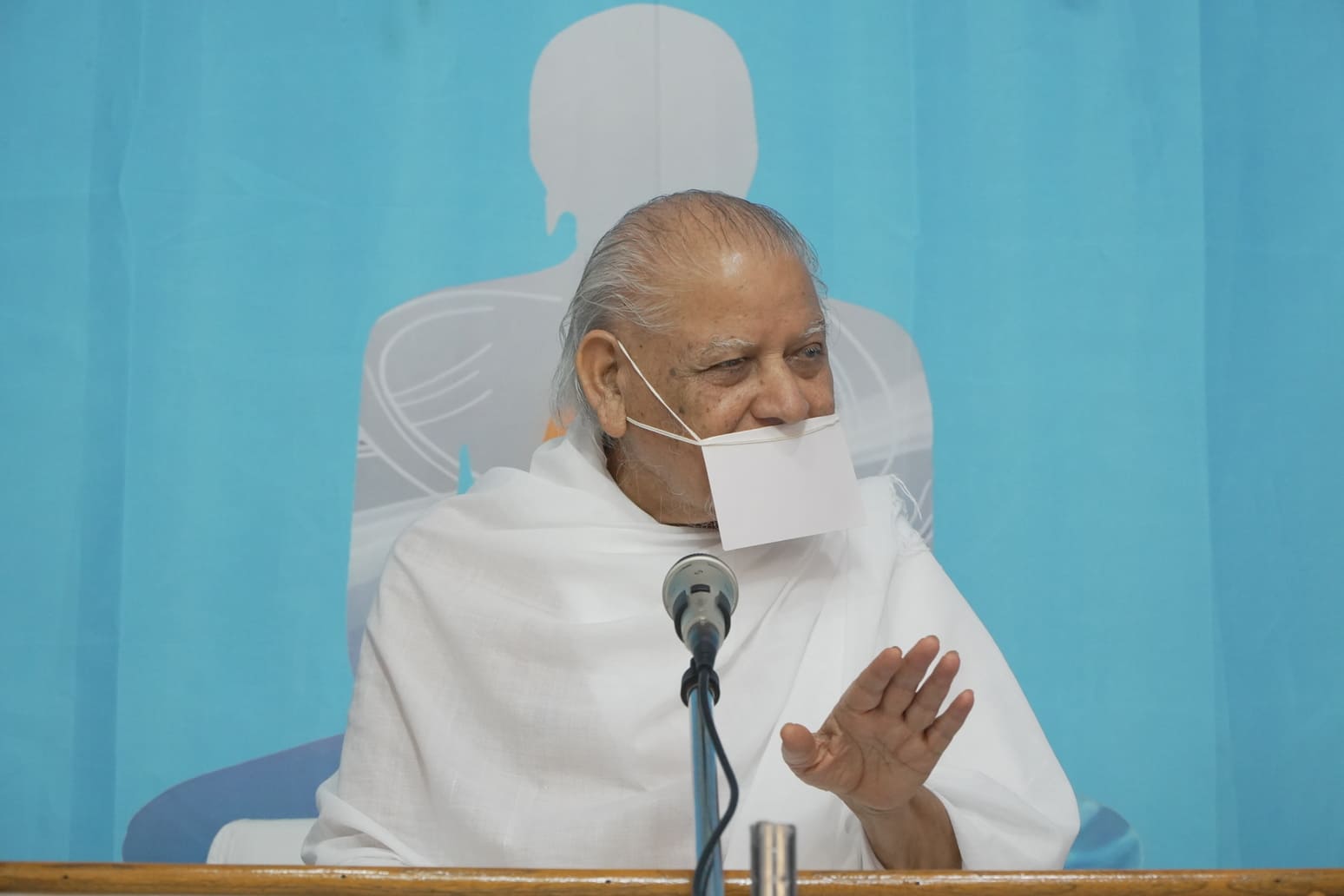
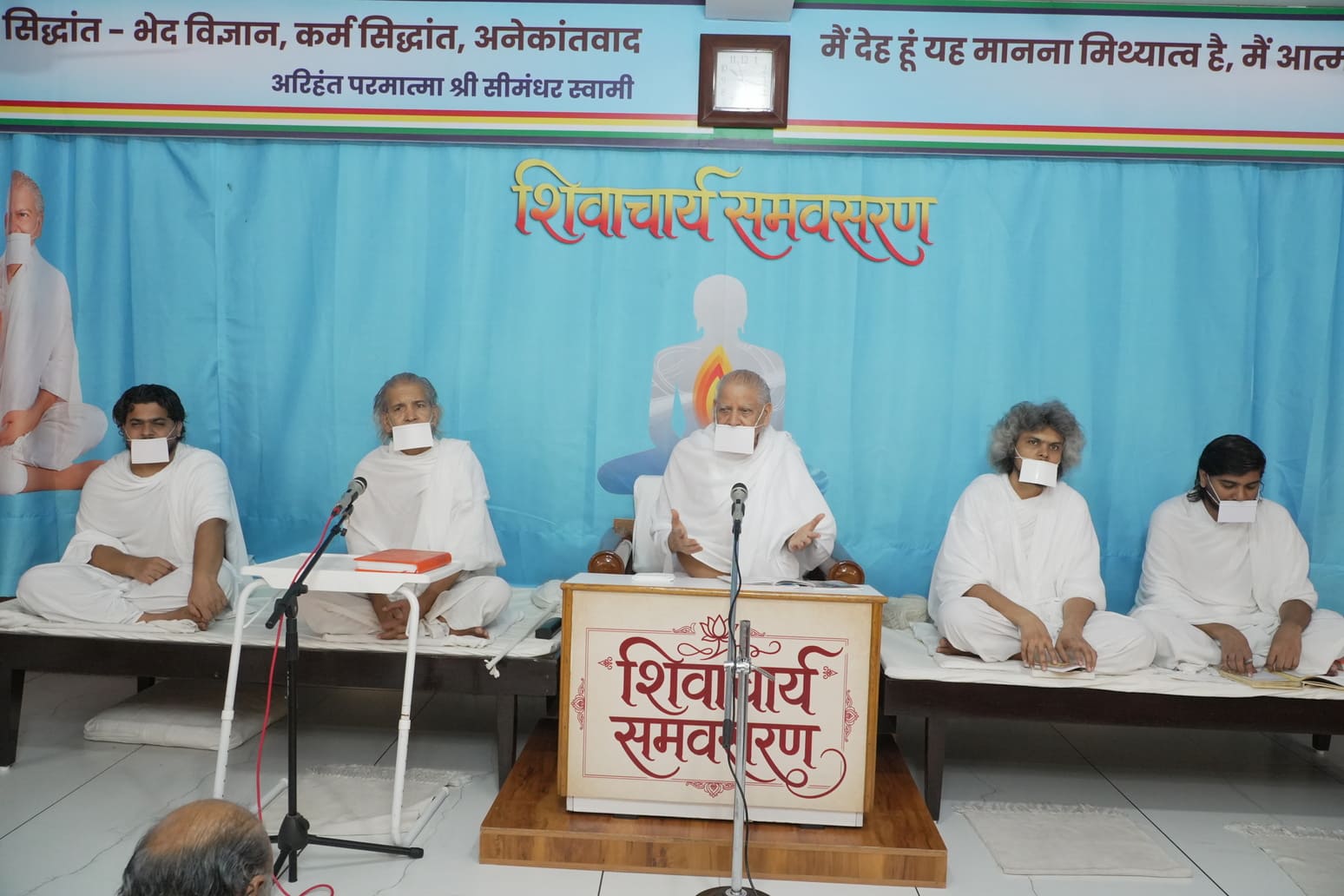
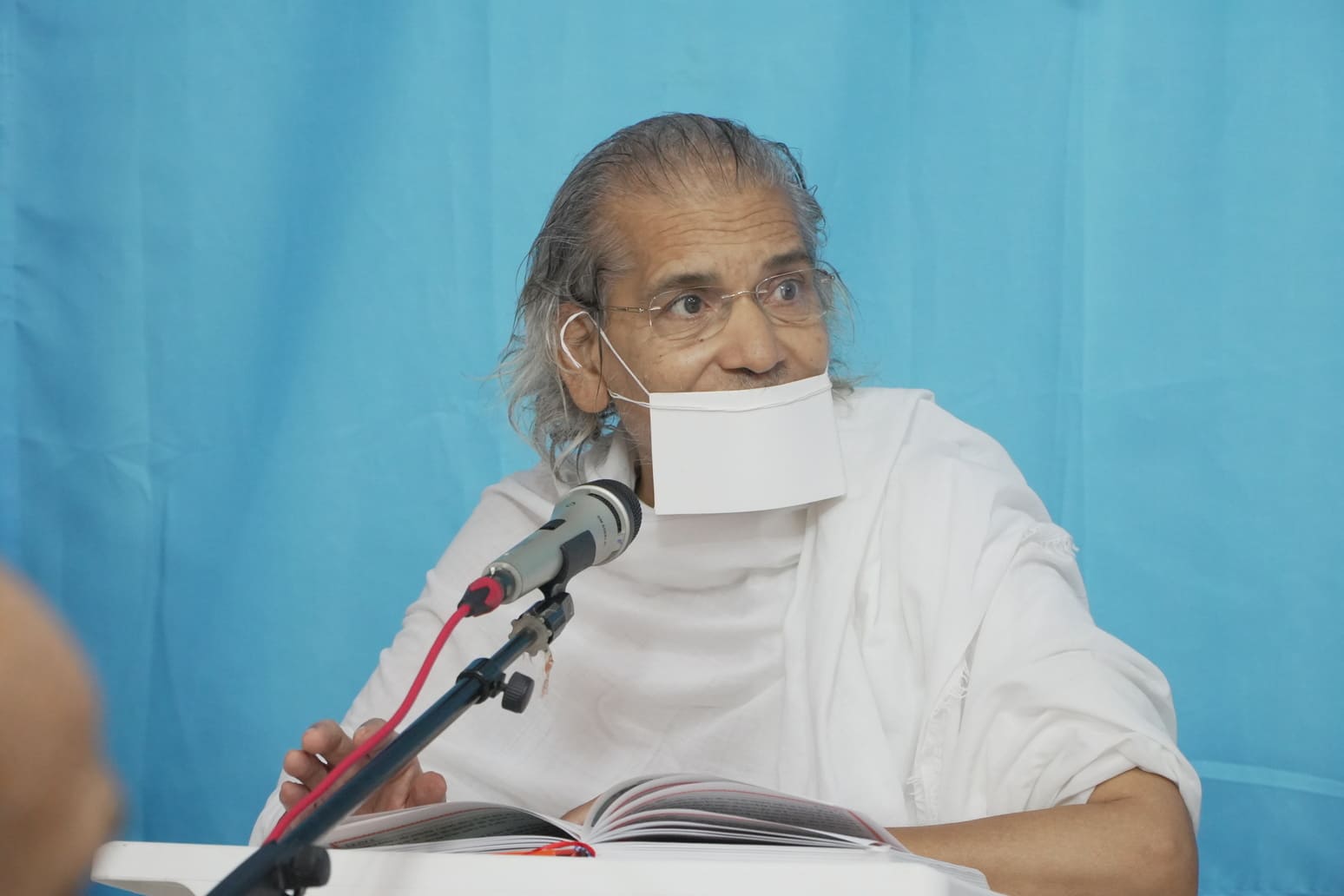
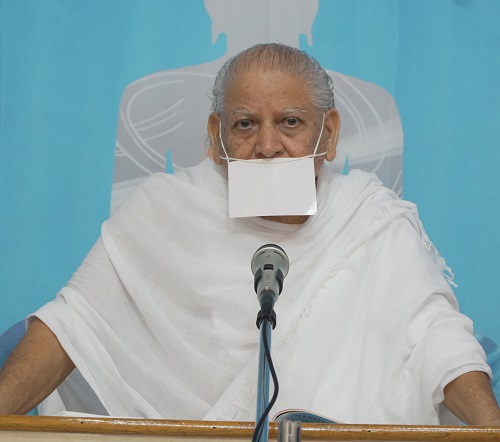
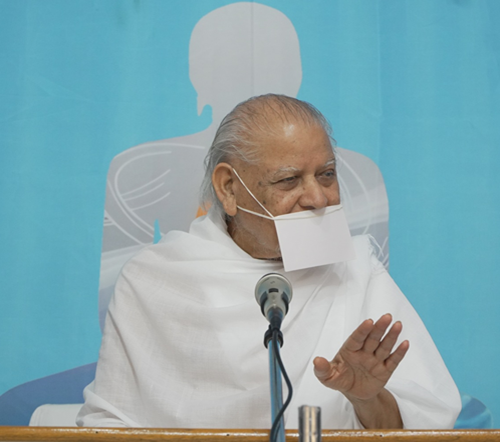
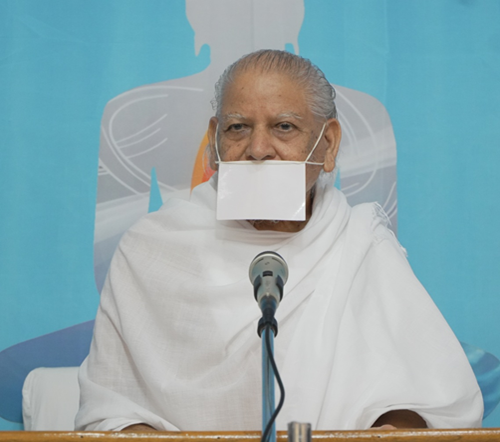
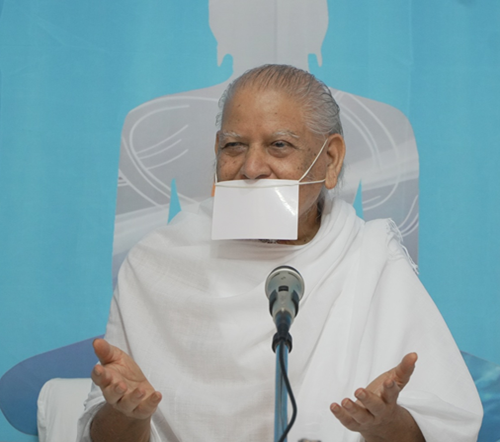
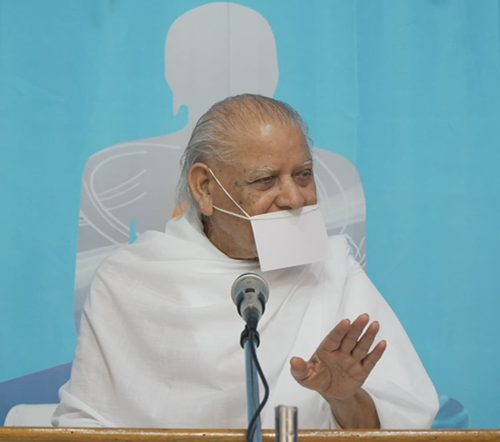
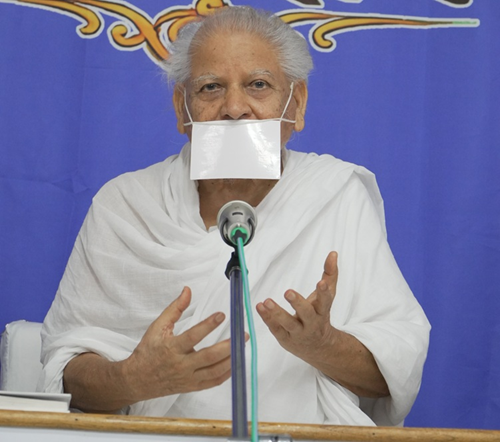
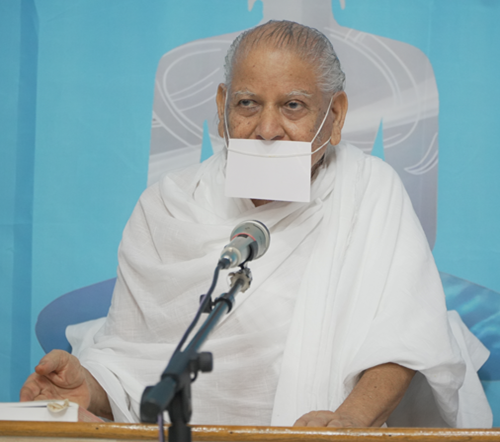
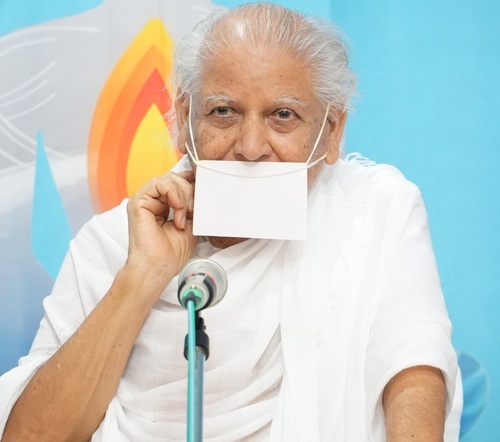
In his address, while discussing the Samadhi Tantra (the science of spiritual absorption), Acharya Samrat Dr. Shri Shivmuni Ji M.S. stated that a person’s entire existence is often fixated on the physical body. If one identifies oneself as the Soul, one’s attachments and aversions (Raga-Dvesha) cease to exist. For the person whose attachments and aversions have ended, there remains neither enemy nor friend; such a person’s life attains a state of equanimity (Samabhav).
The Acharya further remarked that while sorrow and happiness are inevitable in the lives of both the poor and the rich, the person who attains Samakit—that is, equanimity—remains undisturbed by these fluctuations and does not suffer.
Discussing the three types of bodies, the Acharya explained: the Audarik (gross) body, which consists of bones, flesh, blood, etc.; the Tejas (fiery/metabolic) body, responsible for digestion; and the Karman (karmic) body, which accompanies the soul when the lifespan ends. The karmas accumulated by the individual travel with this body. Therefore, the shedding of karma (Karma Nirjara) is essential to lighten the Karman body. To achieve this shedding of karma, one must distinguish the body from the soul and realize, “I am the Soul.” If one develops faith in the Soul, one can quickly progress towards Moksha (liberation).
The Acharya stated that the state in which a person abides in the Soul—rendering the body secondary—is precisely what constitutes Samayik.
He also urged everyone to harbor auspicious wishes for all living beings. He who wishes well for others ensures his own well-being. Those who practice compassion towards themselves naturally extend that compassion to others as well.
In his address, Pramukh Mantri Shri Shirish Muni Ji M.S. noted that Swadhyaya (self-study) is the tenth among the twelve types of Tapa (austerities), and Anupreksha (contemplation) is the fourth aspect of Swadhyaya. Reflecting upon the distinction between the inert body and the living soul—while bearing witness to the self—to contemplate, “Who am I? What is my true nature?” begins with the contemplation of impermanence (Anitya Bhavana). The sense of attachment (Raga) toward the places we consider “ours” is broken through this contemplation of impermanence. Desiring agreeable circumstances regarding the objects of the five senses serves to fuel the Moh (delusion) karma; indeed, every living being’s desire for things to go their way—wanting others to act in accordance with their wishes—is a form of nurturing this delusion.
Sahamantri Shri Shubham Muni Ji M.S. presented the devotional song (bhajan): “Aatma chadariya maili na hoy, Veer japo Mahavir japo” (May the soul’s mantle remain unstained; chant the name of Veer Mahavir).
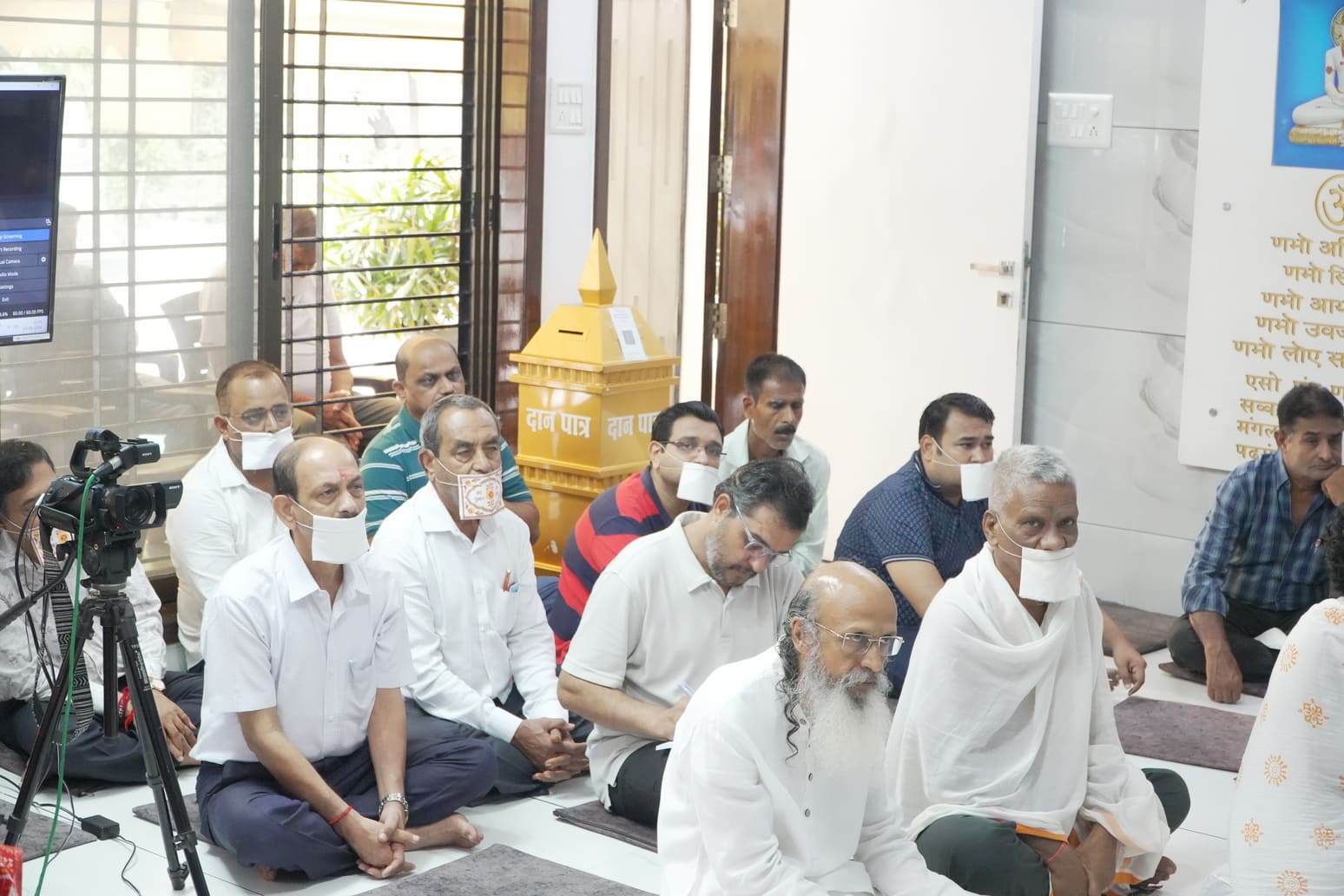
Ascetics observing penances such as Upvas (fasting), Ekasan (eating a single meal a day), and Ayambil via online participation took their formal vows (Pratyakhyan).
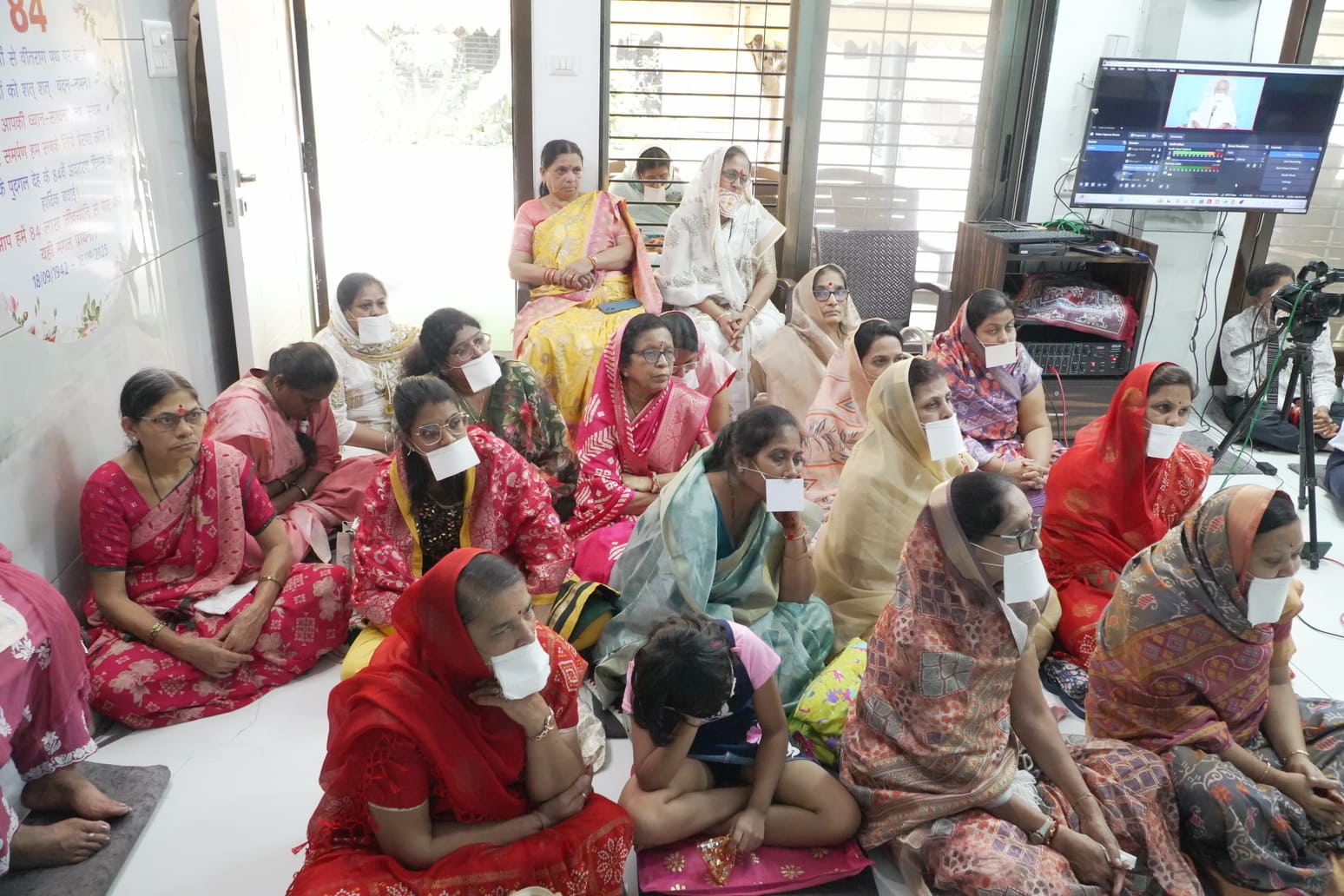
In today’s gathering, alongside local residents, a group of 27 devotees from Pune was present to seek the blessings of the Guru (Guru Darshan).